Course Overview
Course summary
Our degree courses with foundation year offer the opportunity to prepare you for advanced study before you progress onto a full honours degree at the University of Westminster. Whether you do not feel ready for degree-level study, don’t have the right qualifications, want to change your subject specialism or return to study after an absence from education, we aim to encourage a broad range of students to undertake our foundation year in order to progress onto their full honours degree with us.
The foundation year is designed to give you the opportunity to explore new ideas, opening up new perspectives on the key debates within your chosen field. During the foundation year, you'll explore a range of creative disciplines and get a chance to develop in your chosen field, benefiting from workshops in our high-end facilities and working with leading academics who will encourage you to become a confident and creative thinker. Core modules accelerate your academic and professional development and you will also take modules within your chosen field, giving you the chance to develop a cross-disciplinary perspective on your course.
On successful completion of the foundation year, you'll be able to move on to study for the Biomedical Science BSc Honours over a further three years study.
Biomedical science is concerned with the detailed study of the human body, both in health and disease, with emphasis on the diagnosis and understanding of disease states and the mechanisms involved.
In Year 1 you'll study the important fundamental sciences, including biochemistry, cell and molecular biology, and human anatomy and physiology.
In Year 2 you'll develop your understanding of a wide range of disease processes, combined with the principles of laboratory procedures used to aid diagnosis and treatment.
Between Years 2 and 3, you’ll have the opportunity to undertake a professional placement year in industry. Alternatively, you can undertake a period of study abroad at one of Westminster’s partner institutions.
In Year 3 you'll focus on the study of the complex nature of disease as it affects particular biological systems. You'll also study the laboratory procedures used in haematology, clinical immunology, cellular and molecular pathology, clinical biochemistry and medical microbiology, to diagnose and monitor disease. You'll also undertake a major research project, which will enable you to develop the skills you need for genuine scientific inquiry.
Top reasons to study with us
- Shape your future by specialising in emerging areas like bioinformatics, neuroscience, pharmacology, therapeutics, and parasitology
- Train on next-generation diagnostic platforms across the five core biomedical science disciplines
- Explore your interests through an independent final-year research project investigating a biomedical question that inspires you
- Institute of Biomedical Science (IBMS) and Royal Society of Biology RSB accreditation recognises professional standards and supports an HCPC registration pathway*
- An optional professional placement or international study opportunity adds real-world or global experience to your degree
- Unlock a wide range of career pathways, including clinical laboratories, public health, drug development, and cancer research
*HCPC registration requires suitable employment and completion of the IBMS Certificate of Competence
Professional accreditation
The degree is accredited by the Institute of Biomedical Science (IBMS). Honours graduates can apply for registration with the Health and Care Professions Council (HCPC) as Biomedical Scientists, provided they fulfil the additional HCPC requirements of competencies through suitable employment and completion of the IBMS certificate of competence.
This course is accredited by the Royal Society of Biology (RSB). RSB accreditation recognises degree programmes that fully prepare bioscience graduates to address the needs of employers and is an indication that the programme delivers up-to-date knowledge in the right learning, support and teaching environments. At the time of publication, students on an RSB-accredited course are eligible for a free Student Affiliate membership for the duration of their studies. Once graduated from an accredited degree, they are entitled to a 50% discount on Associate membership of the RSB for two years

Studying Biomedical Science at Westminster
Learn more about studying Biomedical Science from a member of the course team.
Modules
Teaching includes tutorials, lectures and seminars, practical laboratory work and group activities, together with supervised use of facilities. Assessment is through a combination of exams and coursework (including essays, practical work, group work, presentations and reports).
You’ll receive continuous feedback through online activities, group and one-to-one tutorials and periodic reviews, designed to give you multiple points of guidance throughout your studies.
Types of module
Our undergraduate courses comprise three types of module:
- Core modules: compulsory modules that you must take each year
- Option modules: modules that you can choose from to tailor your course to your interests, normally related to your subject area
- Elective modules (also called 'Electives'): wider, interdisciplinary modules that you may be able to choose from to broaden your academic experience and skills – covering everything from learning a new language to building enterprise skills
Module availability
We aim to offer a wide range of option modules and electives, but we cannot always guarantee your preferred choices as availability can be affected by timetabling constraints, staff availability or student demand.
Elective modules may be subject to change, but you can look through an indicative list on our University-wide electives page.
For more information
Full details on course structure, modules, teaching and assessment can be found in the programme specification below.
Core modules
No prior knowledge of biological sciences is assumed, therefore this module will provide an appropriate foundation for you to gain an understanding of fundamental concepts of biology. This content includes consideration of central theories of biology, including cell theory, evolutionary theory, gene theory and homeostasis. Applications of these will lead to an understanding of energy movement within and between organisms, ecosystems, and ultimately the laws of life.
This module provides you with both a solid theoretical grounding of the ‘doing’ of the life sciences, the practical psychomotor laboratory skills, and introductions to data handling, analysis and visualisation to enable you to progress successfully onto Level 4 of life sciences degree courses. The module will develop a range of practical skills related to laboratory-based experimentation, stressing the importance of laboratory safety, critical interpretation of data as well as getting you to reflect on the importance of managing their career aims and self-development.
As no prior knowledge of chemistry is assumed, this module will provide an appropriate foundation for you to gain an understanding of selected aspects of physical and quantitative chemistry. The content includes consideration of atoms, isotopes, ions and molecules; the periodic table; chemical bonding; chemical equations; and the properties and importance of water to life. Study of acids, bases and buffers leads to a qualitative description of pH. It also introduces basic concepts of organic chemistry, including consideration of hydrocarbon compounds and typical functional groups, before proceeding to explain the basis of the structure/function relationships found in important biological molecules. The IUPAC system is explained and used to name simple organic compounds, biomolecules and their polymers. You'll also develop data handling and practical analytical skills.
Critical thinking is fundamental to our ability to progress in an increasingly complex and changing world. It is an essential skill across a range of academic and practice-based disciplines.
This module helps you understand the importance and function of critical thinking both at university and beyond. By working in partnership with academic staff and peers, you will explore how critical thinking aligns with disciplinary practices, shapes scholarly knowledge, and addresses inequalities. Through problem-posing education and anti-racist practices, you will engage with real-world problems, fostering the ability to create a more just and sustainable world.
This module introduces you to the key academic, professional, and personal skills essential for success at university. It encourages good practices in writing, presentation, and time management, while also fostering reflection to help you build confidence as you transition to higher education. Open to all students enrolled in courses delivered through Westminster Foundation Pathways, the module provides a creative and supportive environment where you can reflect on and develop their academic and professional journey. You'll work with specialist facilitators who play a crucial role in guiding your academic and professional development.
With a focus on managing academic choices in a higher education setting, the module emphasises the importance of the United Nations Sustainable Development Goals (SDGs), using methodologies that prioritise equality, diversity, and inclusion. Through these lenses, you'll explore topics that prepare you to address real-world challenges as highlighted in the SDGs in a socially conscious, inclusive, and responsible manner.
This module will integrate concepts of Biology and Chemistry to better understand how humans grow, age, reproduce and respond to stimuli. Major organ systems anatomy and physiology will be discussed, alongside examples of how humans respond to perturbations to homeostasis, the resolution mechanisms, and how specifically humans function physiologically.
Core modules
Students of Life Sciences need to be comfortable with the chemistry and biochemistry of the molecules of life and the processes in which these molecules are vital components. This module will enable you to explore the diversity and function of a broad range of biological molecules, combining a range of learning and teaching methods (lectures, practicals and tutorials) to support you through this challenging subject. You will be given the opportunity to develop laboratory skills, and a number of formative practical exercises will be undertaken, in line with the theoretical content of the module. You'll be assessed both formatively and summatively, giving you the opportunity to improve your skills and to prepare for higher levels of study. Areas covered are: properties and reactions of biological molecules; biomolecular processes; energy for life’s processes and laboratory techniques for biochemistry and molecular biology.
This module aims to provide an introduction to the biology of the cell and the fundamental processes and interactions that take place during the life of a cell. The biodiversity of cells within the Tree of Life will be considered, with particular focus on the domains Prokarya and Eukarya. Cell division, specialisation, ageing and death will be examined at the individual and population level, alongside gene inheritance, transmission and expression, and the role of genetic variance and natural selection on cell populations. Cell behaviour and the ability of cells to communicate and interact with one another as well as impact on the environment will be covered. Practical work will ensure you receive a foundation in experimental techniques of cell biology.
The emphasis for this module is to develop an understanding of how the structural organisation of different cell types within a tissue/organ enable and support the tissue/organ’s normal function. For every tissue/organ studied, the functional role of that tissue/organ in the whole body, as covered in Human Physiology, will be studied. A significant component of the module will be evaluating the impact of pathological processes on whole body physiology and integrity.
This module will provide an introduction to the organisation, communication, and support systems of the human body. Major physiological systems will be covered with emphasis placed on the maintenance of homeostasis via feedback mechanisms.
The module will introduce the concepts of employability and professionalism in the workplace with specific reference to the Bioscience/Life Science industry. Emphasis will be placed on learning to conduct oneself as a credible scientist with an ethical, professional, and honest manner, with consideration for scientific advances and technological innovation. You'll be taught about scientific communities, learn to appreciate diversity and constructive discussions on scientific topics; evaluate scientific literature, importantly critically examining the credibility of sources of scientific claims. You will document through a variety of assessments transferable skills linked to a career development pathway in a professional development portfolio. Emphasis will be put on the continuity of the portfolio throughout your time at Westminster and into the world of work.
Through a blended learning approach and introduction to the Westminster Award, the central ethos portrayed will be to develop a professional employability portfolio throughout the journey through higher education. Extracurricular activities will be encouraged, and you'll learn of opportunities for non-mandatory, short term internship opportunities and short term placements through Engage and Talent Bank.
Option modules
This module offers a study of how molecular bioscience can help solve biological problems encountered by human beings. The module will start with a consideration of how sequencing the human genome and bioinformatic analysis has led to the incarnation of personal medicine. It will consider how human diseases and conditions are being treated in the 21st century: the development of new antibiotics, the use of stem cell biology and the science of tissue regeneration. Specific studies will be made of cancer and neuro-degeneration to show how modern molecular biochemical and biophysical techniques are being used by bioscientists to study these diseases. In addition the wider applications of molecular science in agriculture forensic science and biotechnology will be explored.
The module will provide an understanding of chemical structure stereochemistry and organic functional groups of importance in biochemistry as well as facilitating an understanding of enzyme mechanisms crucial in biochemistry through an introduction to selected organic reaction mechanisms. The module will also introduce the importance and use of thermodynamics and redox chemistry in biochemistry. In summary the module will help you understand biochemical reactions via a sound foundation in biologically relevant chemistry.
The module explores the scope of pharmacology and introduces the concept of drugs as biologically active, selective molecules. In addition, drug interactions with cellular targets will be studied in order to provide examples of their clinical usage and consideration of potential adverse effects. Selected experimental techniques used in pharmacology will be reviewed. The significance of absorption, distribution, metabolism and excretion in determining systemic drug action will also be studied.
An understanding of the science underpinning sound nutrition is essential for the evaluation of the role of nutrition in health and physical well-being. This module will explore fundamental concepts in cellular biochemistry and physiology which relate to human nutrition and provide students with an introduction to vocational professional practices. The module content will be delivered via a combination of lectures, interactive tutorials and practical sessions in our human performance laboratories.
The module will introduce you to the history and philosophy of science and to its practice in the modern world. You'll be taught about scientific communities and how scientists communicate with one another and how to read and evaluate scientific papers. You will explore the principles of scientific research, including interpreting data and critically examining scientific claims.
Core modules
The module aims to build on knowledge of human physiology, biochemistry and anatomy acquired at Level 4 and to provide a biological insight into understanding disease processes.
At the end of this module the student will be able to explain the patho-physiological alterations occurring in a number of disorders and be able to elucidate shared mechanisms within or between disease states.
This module also aims to introduce the principle laboratory tests carried out by the specialist Biomedical Science disciplines as well as their integrated role of in disease investigation.
An overview of pathogenic microorganisms, the factors which contribute to their virulence and pathogenicity, and the diseases they cause will be combined with an overview of the human immune system, its evolutionary development and its interactions with those microorganisms.
The different components of the immune system will be covered in depth and consideration given to the roles of different leucocytes and effector molecules in the immune response including the key features and effectors of inflammation. Alongside consideration of the roles of the immune system in the elimination of microorganisms and mechanisms used by pathogens to avoid the immune system mechanisms.
Also covered are a range of laboratory techniques in use in the microbiology and immunology fields, the appropriate application of those techniques, analysis of the results and the merits/limitations of laboratory techniques.
You'll build on your knowledge of classical genetics, molecular biology and biochemistry. Teaching of molecular genetics, epigenetics and genomics will be underpinned by vital elements of biochemistry needed to fully appreciate these complex and exciting fields. You'll be introduced to medical and population genetics through the study of common and rare human genetic disorders and genetic studies on experimental organisms. The importance of genetics and genomics to humanity will be explored through the study of diagnostic genetics and an introduction to genetic counselling. Throughout the module consideration will be given to recent developments, current practices and ethical considerations in genetic research and practice.
This module provides a comprehensive overview of modern biochemistry. Topics include major pathways for the degradation and/or biosynthesis of carbohydrates, fatty acids and amino acids, respiration and oxidative phosphorylation, the role of enzymes in metabolic processes, all underpinned with a stress on underlying thermodynamic principles.
The module will also provide a thorough overview of various strategies (enzyme regulation, cell signalling, etc.) employed by organisms to regulate their metabolism and maintain homeostasis.
Finally, the module will also examine a number of important metabolic disorders and diseases in order to allow you to integrate and apply what you've learnt throughout the module.
The module covers essential elements of research methods, data analysis (as relevant to the Biosciences) and provides you with key laboratory techniques. On completion of the module successfully, you'll have developed the expertise to extract and interpret scientific information from peer-reviewed original sources, have used this information to produce a literature review of a specific area in the biosciences, prepared a design for your final year research project as well undertaken a skill-based evaluation of your competencies (PPP 5.3).
Option modules
The module will build on the cell biology, biochemistry, information technology and critical thinking skills acquired at level 4. This module will allow you to develop skills in the area of bioinformatics including the computational analysis of DNA and protein sequences using alignment and evolutionary models. You'll use a variety of computational methods to assign gene and protein function including data from gene expression analysis and proteomics.
This module examines food and nutrition in both dietary and physiological contexts, assessing their contributions to health and disease states, as well as their impact on human performance. Additionally, the module examines the challenges in defining health and disease, as well as determining the most suitable treatment modalities for a particular individual. Key aspects of diet/disease relationships are also examined in relation to nutritional intake and status. Transferable skills, including group work, communication, and presentation, are practised.
You'll build on their integrated knowledge of classical and molecular genetics acquired from L4 and L5 core modules. You'll develop an in-depth understanding of the growing relevance of genetics and genomics in medicine by being introduced to current practices in clinical genetics with special focus on the application of modern genomic technologies for disease diagnosis, prognosis and treatment. The crucial role of genetics and genomics in precision medicine will be highlighted through the detailed study of common and rare human genetic disorders. Special consideration will be given to conceptual advances and practical developments ensued from recent translational research initiatives, with special consideration of newly emerging ethical challenges and emphasis on related social perspectives on a global level.
This module covers the pathogenesis of human parasitic diseases; case histories will be used to demonstrate the principles and practice of parasitology. Life cycles and control of insect, worm and protozoan parasites, including malaria, schistosomiasis, trypanosome, and nematode infections, are covered. The failures and successes of control courses will be reviewed. Other topics covered will be the impact of HIV/AIDS, the effect of parasitic infections on nutrition and the importance of insects as vectors of parasitic diseases.
Using student-centred enquiry based learning, which will allow you to become a co-creator of your own knowledge in a small group format, you'll be required to integrate and synthesise material covered in this module with learning from both Physiological Biochemistry and Physiological Networks in order to further their understanding of how the different body systems are regulated and how one system influences another. Clinical disorders will be used to demonstrate the consequence(s) of disruption to normal function in one system on another system/other systems.
This module comprises lectures and tutorials designed to give you an understanding of molecular and cellular therapeutic strategies available for the treatment of inherited and acquired diseases. As the field is progressing rapidly the contents are upgraded annually to introduce cutting edge current concepts and opinions. Modern molecular and gene therapies, immunotherapy, bacteriophage-based therapies, clinical trials and associated ethical issues are discussed.
The module commences with an overview of principles in neuroscience, beginning with an introduction to cellular systems and cell communication involved in fundamental neurophysiological processes. An overview of neuroendocrine physiology such as hormonal release via the hypothalamic-pituitary axis, and introductory neuroanatomy (including a mammalian dissection laboratory session) will also be explored. The module will also focus on the development of the nervous system and the mechanisms involved in specific brain functions as well as key neuropathological and neurocognitive disorders.
Professional experience or study abroad year
Between Years 2 and 3, you’ll have the opportunity to undertake a professional placement year in industry. Completing the placement year will lead to the final award Bachelor of Science with Honours – Biomedical Sciences with Professional Experience.
Alternatively, you can undertake a period of study abroad at one of Westminster’s partner institutions. Successful completion will lead to the final award Bachelor of Science with Honours – Biomedical Sciences with International Experience.
Find out more about the costs involved in taking a study abroad or placement year.
Core modules
In this module, you'll explore the cellular and molecular basis of disease at an advanced level, building the knowledge needed to critically evaluate both routine laboratory practice and emerging molecular diagnostic techniques. To reflect the demands of modern laboratory work, the module focuses on cancer, including both solid and blood tumours.
You'll use integrated case studies to examine the diagnostic process in detail, explore methods for assessing prognosis, and consider the role of predictive testing in guiding personalised medical treatment.
In this module, you'll explore immune responses to pathogens, tumour cells, and the prevention of infectious diseases. You'll examine immunodeficiency, hypersensitivity, and autoimmunity, including their investigation, diagnosis, pathology, and treatment.
You'll also study the manipulation of immune responses, including the use of vaccines and immunotherapy, as well as the principles of transplantation, rejection, and immunosuppression. The module will cover the scientific basis, clinical applications, and practical aspects of blood transfusion, giving you a comprehensive understanding of the immune system in both health and disease.
In this module, you'll explore the clinical and technical theory and practice that underpins modern biochemistry and haematology laboratory investigations of selected disorders. You'll learn how to evaluate laboratory methods and incorporate quality assurance systems to support accurate and reliable decision-making.
Students in this module are supervised and guided to design and carry out an independent research project, analyse and interpret the results and report their findings in scientific style. The module covers safe laboratory practices, ethical considerations, study designs, selecting and applying appropriate statistical tools and other aspects of scientific professionalism. Students are also encouraged to think about preparation for entry into the job market or into postgraduate education.
In this module, you'll learn to detect, identify, and characterise pathogenic microorganisms. You'll explore the pathogenesis, transmission, and epidemiology of infectious diseases, with a focus on treatment and prevention. Emphasis will be placed on diseases of current and global importance, including emerging pathogens.
You'll also cover laboratory automation, antibiotic resistance, microbial genomics, and bioinformatics, as well as the public health measures used to control the spread of disease.

For more details on course structure, modules, teaching and assessment Download the programme specification (PDF).
To request an accessible version please email [email protected]

Get your copy of the University of Westminster prospectus and browse the range of courses on offer.

Contact us for general course enquiries:
+44 (0)20 7911 5000 EXT 65511
(Mon–Fri, 10am–4pm BST)
Live chat with us
(Mon–Fri, 10am–4pm BST)
Studying biological & biomedical sciences with us
Watch the video to learn more about studying biological & biomedical sciences at the University of Westminster.
Open days
Join us at an open day online or on campus. Get a feel for student life at the University of Westminster and talk to course leaders and our support teams.
Can't attend? See more open events
More ways to meet us
Designing the future of travel: develop sustainable event planning skills
Careers

Fantastic central London location
Our London location facilitates you in finding work experience, with numerous opportunities available within the biomedical laboratories in London, the UK and abroad.

Transferable skills
You'll gain the knowledge and experience to work in areas such as laboratories, clinical trials, healthcare commerce, medical devices industries, regulatory affairs, research development, scientific writing, teaching and many more.
Employers
Access a network of over 3,000 employers at the University’s new home of careers and enterprise, Zone29.
Career development
Our course has been designed to prepare you for a career in medical diagnostic, pharmaceutical and research environments. It provides you with a thorough education in the disciplines required to understand and investigate disease and enables you to develop your career in a variety of pathways in biomedical sciences.
We also have a strong record in preparing graduates for postgraduate study across a range of biomedical and molecular disciplines, as well as postgraduate teacher training.
We regularly monitor graduate career destinations and reflect on this information in the planning of the course curriculum.
Graduate employment
Graduates from Biomedical Sciences are widely sought after by employers. Major employment areas include:
- Clinical genetics laboratories
- Clinical trials
- Commerce (sales and marketing) related to healthcare and diagnostics products
- Diagnostic pathology and clinical laboratories
- Forensic laboratories
- Government or charity-funded research laboratories
- Medical devices and laboratory instrumentation industries
- NHS Blood and Transplant laboratories
- Private pathology laboratories
- Public Health England
- Regulatory affairs (drug registration and patents)
- Research development for pharmaceuticals
- Research laboratories in universities
- Scientific writing and publishing
- Teaching
- Veterinary and agricultural laboratories
Unlock your career potential at Zone29
Zone29 is our new home of careers and enterprise, offering game-changing opportunities such as:
- jobs, placements and work experience
- tailored career guidance and mentoring
- step-by-step career planning through the Westminster Award
- work and study abroad programmes
- start-up, business and freelance support

International Opportunities
Many of our courses offer international study and work experiences, and the University provides other global opportunities that all students can apply for – so whatever you're studying, you'll have the chance to go abroad.
Opportunities could include:
- Taking part in semester or year-long exchanges at institutions around the world
- Attending an international summer school or field trip
- Developing your CV through volunteering or work placements abroad
International experience broadens horizons, boosts self-confidence, and improves global understanding, alongside being fantastic for your career.
Find out more about our international opportunities, including funding options and where you can go.

Course Leaders

Steve Davis
Course Leader for Foundation in Life Sciences
Steve is the Course Leader for Foundation in Life Sciences, which includes the Foundation years of the BSc (hons) courses: Biochemistry, Biological Sciences, Biomedical Sciences, Human Nutrition, Pharmacology and Physiology. A registered practitioner in a CAM therapy, and Fellow of the Higher Education Academy, Steve has wide experience in developing education and training programmes for CAM student practitioners.
Dr Bradley Elliott
Reader in Ageing Physiology
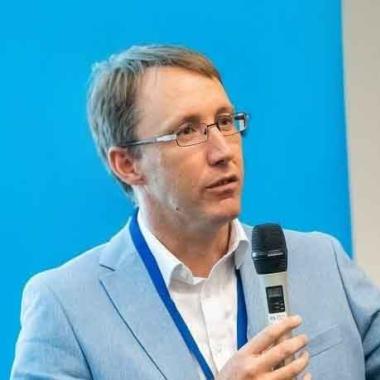
Bradley studied for a Bachelor of Science (Honours) in the Department of Sport and Exercise Sciences at the University of Auckland, New Zealand before completing a Master's of Science (Experimental Medicine) at Université Laval, Canada. He completed his doctorate on human and applied physiology here at the University of Westminster, examining myostatin regulation and muscle atrophy mechanisms during acute hypoxic insult.

Dr Lorna Tinworth
Assistant Head of School
Dr Tinworth holds an MA in higher education and is a senior fellow of the Higher Education Academy. She enjoys teaching bioscience at every level within the School of Life Sciences and leads our core level 5 Medical Genetics and Genomics module.
Lorna completed her undergraduate degree in Molecular Biology and Genetics at Queen Mary’s, University of London. After which she spent a while in an industrial chemistry lab. In her first research assistant role, she explored the genetics of twins at the Social, Genetic and Developmental Psychiatry Centre in King’s College, London.
Course Team
- Rumy Begum - Senior Lecturer
- Dr Sarah Coleman - Senior Lecturer
- Dr Paul Curley - Staff
- Dr Bradley Elliott - Reader in Ageing Physiology
- Professor Sigrun Lange - Professor
- Dr Ian Locke - Assistant Head of School
- Dr Lorna Tinworth - Assistant Head of School
- Oliver Haworth - Senior Lecturer
- Professor Emanuela Volpi - Professor
- Dr Polly Hayes - Senior Lecturer
- Dr Adele McCormick - Reader
- Dr Nina Porakishvili - Principal Lecturer
- Dr Stipo Jurcevic - Senior Lecturer
- Dr David Gaze - Senior Lecturer in Chemical Pathology
- Professor Vinood Patel - Professor
- Professor John Murphy - Professor
- Dr Kalpana Surendranath - Reader
- Dr Miriam Dwek - Associate Head of College - RKE
- Dr Joan Liu - Senior Lecturer
- Dr Pinar Uysal Onganer - Professor
- Dr Manal Mohammed - Senior Lecturer
- Dr Alastair Barr - Reader
- Steve Davis - Course Leader for Foundation in Life Sciences
- Dr Saki Raheem - Reader
- Dr Moonisah Usman - Senior Lecturer
- Venetia Tzanni - Senior Lecturer
Entry Requirements
- A levels – DEE (56 UCAS Tariff points)
- T levels – 56 UCAS Tariff points
- International Baccalaureate – 56 UCAS Tariff points from all components of the Diploma Programme. International Baccalaureate Career-related Programme will be considered on a case-by-case basis
- BTEC Extended Diploma – MPP
- BTEC Diploma – MM
- Access – 56 UCAS Tariff points from the Access course
If your first language is not English, you will need an IELTS score of 5.5 overall, with 5.5 in each component.
Please note, however, that the Health and Care Professions Council (HCPC), along with other requirements for registration, requires that students must be capable of attaining the equivalent to IELTS 7.0, with no component part scoring below 6.5, at the point of graduation.
During the course of your degree you'll have the opportunity to practise and improve your command of the English language as you complete various assessment tasks including oral and written assessments. If you feel, however, that you would benefit from extra English support, the University has a number of options to help, including a pre-sessional English course and academic English modules, which may be taken as options during your Level 4 and Level 5 studies. For more details on the English language courses and support we offer, visit our English language support page.
Mature entrants without formal qualifications will be considered on an individual basis.
We also welcome applications from students who are taking a combination of qualifications listed above. For further information, please contact Course Enquiries.
View more information about our entry requirements and the application process
International Baccalaureate
56 UCAS Tariff points from all components of the Diploma Programme. International Baccalaureate Career-related Programme will be considered on a case-by-case basis. You can refer to the UCAS calculator to determine your point score. Find out more about acceptance of the International and European Baccalaureate.
Other international qualifications
We accept a wide range of international high school level qualifications. Please see information on Country-specific entry requirements.
International Foundation courses
We work in partnership with Kaplan International College London who provide International Foundation Certificate at their College based in London Bridge. These courses are for students who don't meet our direct entry requirements. Upon successful completion, you can progress to your chosen degree at the University of Westminster. Find out about the different university preparation courses that are accepted for entry.
English language requirements
If your first language is not English, you will need an IELTS of 5.5 overall, with 5.5 in each component.
Please note we accept a wide range of English language qualifications and assessments. Find out more at English language requirements.
If you don't meet the English language requirements yet, then we offer online and on campus pre-sessional English programmes to help develop your English language skills to the required level before you start your course. Find out more about our pre-sessional English programmes.
Study a University of Westminster degree overseas
We work in partnership with a number of academic institutions around the world that deliver a selection of our undergraduate programmes. Visit Transnational Education Partners for further information.
More information
- A levels – DEE (56 UCAS Tariff points)
- T levels – 56 UCAS Tariff points
- International Baccalaureate – 56 UCAS Tariff points from all components of the Diploma Programme. International Baccalaureate Career-related Programme will be considered on a case-by-case basis
- BTEC Extended Diploma – MPP
- BTEC Diploma – MM
- Access – 56 UCAS Tariff points from the Access course
If your first language is not English, you will need an IELTS score of 5.5 overall, with 5.5 in each component.
Please note, however, that the Health and Care Professions Council (HCPC), along with other requirements for registration, requires that students must be capable of attaining the equivalent to IELTS 7.0, with no component part scoring below 6.5, at the point of graduation.
During the course of your degree you'll have the opportunity to practise and improve your command of the English language as you complete various assessment tasks including oral and written assessments. If you feel, however, that you would benefit from extra English support, the University has a number of options to help, including a pre-sessional English course and academic English modules, which may be taken as options during your Level 4 and Level 5 studies. For more details on the English language courses and support we offer, visit our English language support page.
Mature entrants without formal qualifications will be considered on an individual basis.
We also welcome applications from students who are taking a combination of qualifications listed above. For further information, please contact Course Enquiries.
View more information about our entry requirements and the application process
International Baccalaureate
56 UCAS Tariff points from all components of the Diploma Programme. International Baccalaureate Career-related Programme will be considered on a case-by-case basis. You can refer to the UCAS calculator to determine your point score. Find out more about acceptance of the International and European Baccalaureate.
Other international qualifications
We accept a wide range of international high school level qualifications. Please see information on Country-specific entry requirements.
International Foundation courses
We work in partnership with Kaplan International College London who provide International Foundation Certificate at their College based in London Bridge. These courses are for students who don't meet our direct entry requirements. Upon successful completion, you can progress to your chosen degree at the University of Westminster. Find out about the different university preparation courses that are accepted for entry.
English language requirements
If your first language is not English, you will need an IELTS of 5.5 overall, with 5.5 in each component.
Please note we accept a wide range of English language qualifications and assessments. Find out more at English language requirements.
If you don't meet the English language requirements yet, then we offer online and on campus pre-sessional English programmes to help develop your English language skills to the required level before you start your course. Find out more about our pre-sessional English programmes.
Study a University of Westminster degree overseas
We work in partnership with a number of academic institutions around the world that deliver a selection of our undergraduate programmes. Visit Transnational Education Partners for further information.
More information
What our students say

Khimkala Gurung
Biomedical Science with Professional Experience BSc - 2027
The curriculum itself is challenging yet rewarding, encouraging critical thinking and practical application of theoretical knowledge through hands-on lab experiences and research opportunities.

Sara Lala Gul
Biomedical Science BSc - 2027
Studying at the University of Westminster has been an incredible journey. The facilities, like the free gym, well-stocked library, and advanced laboratories, have made my learning experience both practical and enjoyable.

Mishal Mansha Akhtar
Biomedical Science BSc - 2025
These modules provided a perfect mix of theory and laboratory work, where I was able to apply what I learned in lectures to real-world experiments.
Learn new skills

Learn a new language
From Arabic to Spanish, you can learn a new language alongside your degree with our Polylang programme.

Develop your entrepreneurial skills
Access industry networking events, workshops, one-to-one business advice and start-up support through our award-winning WeNetwork.

Gain extra qualifications
We provide access to free online courses in Adobe and Microsoft Office applications, as well as thousands of specialist courses on LinkedIn Learning.
Fees and Funding
UK tuition fee: £10,050 (Price per academic year)
Please note that if you defer your place, the first year’s tuition fees will be those of the academic year in which you enrol, which may be higher than the fee shown for this year.
Fees are subject to UK Government Parliamentary procedure.
Find out how we set our tuition fees.
Funding
As well as tuition fee loans, there is a range of funding available to help you fund your studies.
Find out about undergraduate student funding options.
Scholarships
The University is dedicated to supporting ambitious and outstanding students and we offer a variety of scholarships to eligible undergraduate students, which cover all or part of your tuition fees.
Find out if you qualify for one of our scholarships.
Additional costs
See what you may need to pay for separately and what your tuition fees cover.
International tuition fee: £19,000 (Price per academic year)
When you have enrolled with us, your annual tuition fees will remain the same throughout your studies with us. We do not increase International tuition fees.
Please note that if you defer your place, the first year’s tuition fees will be those of the academic year in which you enrol, which may be higher than the fee shown for this year.
Find out how we set our tuition fees.
EU Qualifications Welcome Award Scheme
If you are an international student accepted on an undergraduate programme starting in September at level 3 (Foundation) or level 4 (first year) on the basis of an eligible EU qualification only, you will be awarded a £4,500 tuition fee reduction off your first year of studies. For more information, see the EU Qualifications Welcome Award Scheme.
International student funding
Find out about funding for international students.
Additional costs
See what you may need to pay for separately and what your tuition fees cover.
UK tuition fee: £10,050 (Price per academic year)
Please note that if you defer your place, the first year’s tuition fees will be those of the academic year in which you enrol, which may be higher than the fee shown for this year.
Fees are subject to UK Government Parliamentary procedure.
Find out how we set our tuition fees.
Funding
As well as tuition fee loans, there is a range of funding available to help you fund your studies.
Find out about undergraduate student funding options.
Scholarships
The University is dedicated to supporting ambitious and outstanding students and we offer a variety of scholarships to eligible undergraduate students, which cover all or part of your tuition fees.
Find out if you qualify for one of our scholarships.
Additional costs
See what you may need to pay for separately and what your tuition fees cover.
International tuition fee: £19,000 (Price per academic year)
When you have enrolled with us, your annual tuition fees will remain the same throughout your studies with us. We do not increase International tuition fees.
Please note that if you defer your place, the first year’s tuition fees will be those of the academic year in which you enrol, which may be higher than the fee shown for this year.
Find out how we set our tuition fees.
EU Qualifications Welcome Award Scheme
If you are an international student accepted on an undergraduate programme starting in September at level 3 (Foundation) or level 4 (first year) on the basis of an eligible EU qualification only, you will be awarded a £4,500 tuition fee reduction off your first year of studies. For more information, see the EU Qualifications Welcome Award Scheme.
International student funding
Find out about funding for international students.
Additional costs
See what you may need to pay for separately and what your tuition fees cover.
Teaching and Assessment
Below you will find how learning time and assessment types are distributed on this course. The graphs below give an indication of what you can expect through approximate percentages, taken either from the experience of previous cohorts, or based on the standard module diet where historic course data is unavailable. Changes to the division of learning time and assessment may be made in response to feedback and in accordance with our terms and conditions.
How you'll be taught
Teaching methods across all our undergraduate courses focus on active student learning through lectures, seminars, workshops, problem-based and blended learning, and where appropriate practical application. Learning typically falls into three broad categories:
- Scheduled hours: examples include lectures, seminars, practical classes, workshops, supervised time in a studio
- Placement: placement hours normally include placement opportunities, but may also include live projects or virtual activity involving employers
- Independent study: non-scheduled time in which students are expected to study independently. This may include preparation for scheduled sessions, follow-up work, wider reading or practice, completion of assessment tasks, or revision
How you'll be assessed
Our undergraduate courses include a wide variety of assessments.
Assessments typically fall into three broad categories:
- Practical: examples include presentations, videos, podcasts, lab work, creating artefacts
- Written exams: end of semester exams
- Coursework: examples include essays, reports, in-class tests, portfolios, dissertation
Data from the academic year 2025/26
Supporting you
We are ranked first in London for student support (Whatuni Student Choice Awards 2026).
Our Student Hub is where you’ll find out about the services and support we offer, helping you get the best out of your time with us.
- Study support – workshops, 1-2-1 support and online resources to help improve your academic and research skills
- Personal tutors – support you in fulfilling your academic and personal potential
- Student advice team – provide specialist advice on a range of issues including funding, benefits and visas
- Extra-curricular activities – volunteering opportunities, sports and fitness activities, student events and more

Course location
With state-of-the-art science and psychology labs and refurbished computer suites, our Cavendish Campus offers our science and technology students a range of learning spaces that are both dynamic and inspiring,
Located in central London, our Cavendish Campus is just a five-minute walk from Oxford Street and Tottenham Court Road.
This course is based at Cavendish Campus, though some teaching may take place at our other central London campuses.
For more details, visit our Cavendish Campus page.


CHANGES TO OUR COURSES
All content on our course pages is accurate at time of publication.
Where significant or material changes have been made, applicants will be informed of these in line with Competition and Markets Authority guidance.
Contact us
Call our dedicated team on:
+44 (0)20 7911 5000 ext 65511
Opening hours (GMT): 10am–4pm Monday to Friday
Opening hours (GMT): 10am–4pm Monday to Friday
More information
Your Westminster
Book an open day. Order a prospectus. Sign up for newsletters.