Course Overview
Thank you for your interest. This course is now full for September 2026. For alternative start dates see the attendance options above.
Course summary
Our degree courses with Foundation year offer the opportunity to prepare you for advanced study before you progress onto a full honours degree at the University of Westminster. Whether you do not feel ready for degree-level study, don’t have the right qualifications, want to change your subject specialism or return to study after an absence from education, we aim to encourage a broad range of students to undertake our Foundation year in order to progress onto their full honours degree with us.
The Foundation year is designed to give you the opportunity to explore new ideas, opening up new perspectives on the key debates within your chosen field. Core modules accelerate your academic and professional development, bringing together like-minded students to think about the ‘big ideas’ within your discipline. You'll also take modules from areas closely related to your chosen field, giving you the chance to develop a cross-disciplinary perspective on your course.
On successful completion of the Foundation year, you'll be able to move on to study for the Psychology and Counselling BSc Honours degree over a further three years of study.
Our Psychology and Counselling BSc is accredited by the British Psychological Society and offers a broad, contemporary education in psychology and counselling within a vibrant, international learning environment in the heart of London.
You’ll learn from a dedicated team of qualified counsellors, psychotherapists and psychologists who bring real-world experience and expertise into the classroom, helping you develop both theoretical knowledge and practical skills.
The course is designed to meet the requirements for the Graduate Basis for Chartered Membership (GBC) of the British Psychological Society, providing a solid foundation for postgraduate training and a pathway toward becoming a Chartered Psychologist.
Alongside core psychology, you’ll explore different therapeutic approaches and develop practical counselling skills. The programme also emphasises creative and critical thinking, problem-solving, and the application of psychological and therapeutic knowledge to meet a wide range of personal, professional, and societal needs.
You can choose from a variety of optional modules, many of which focus on professional practice to enhance your employability. The degree supports both personal and professional growth, preparing you for further postgraduate training in counselling psychology, psychotherapy, or related fields, as well as a range of careers where psychological insight and counselling skills are valued.
Please note: becoming a fully qualified counsellor, psychotherapist, or counselling psychologist requires additional professional training after graduation.
Top reasons to study with us
- Master the foundations of counselling – Develop core listening and helping skills while deepening your self-awareness and reflective practice through hands-on learning.
- Learn from practising experts – Be taught by qualified psychologists, psychotherapists and counsellors who bring frontline experience into the classroom.
- Gain real-world experience – Choose from diverse work experience settings, with the option to complete a professional placement year to enhance your career prospects.
High levels of student satisfaction – 80% were positive about the course organisation and communication* (Discover Uni, NSS: National Student Survey, 2023–2025). *Based on the latest NSS results published on Discover Uni.
Professional accreditation
This course is accredited by the British Psychological Society. It has been designed to meet the requirements for the Graduate Basis for Chartered Membership (GBC), provided that the minimum standard of a Lower Second Class Honours is achieved and the empirical project has been passed. This is the first step towards becoming a Chartered Psychologist.

Modules
Learning takes place through a combination of face-to-face teaching and independent study. You will attend lectures, seminars and take part in project work. Your experience will be further enriched through counselling skills practice, work-based learning and taking part in research activities.
Types of module
Our undergraduate courses comprise three types of module:
- Core modules: compulsory modules that you must take each year
- Option modules: modules that you can choose from to tailor your course to your interests, normally related to your subject area
- Elective modules (also called 'Electives'): wider, interdisciplinary modules that you may be able to choose from to broaden your academic experience and skills – covering everything from learning a new language to building enterprise skills
Module availability
We aim to offer a wide range of option modules and electives, but we cannot always guarantee your preferred choices as availability can be affected by timetabling constraints, staff availability or student demand.
Elective modules may be subject to change, but you can look through an indicative list on our University-wide electives page.
For more information
Full details on course structure, modules, teaching and assessment can be found in the programme specification below.
Core modules
There are no option or elective modules offered at Level 3, as the focus is on the development of key academic skills through a broad understanding of social sciences and humanities.
This module will focus on some major themes within the discipline of psychology, as demonstrated and illustrated through the experiences and events that people are exposed to in contemporary environments. Using materials including news stories, films, TV portrayals and traditional texts, the module will introduce some themes in psychology and consider the ways in which they are portrayed in popular culture. The module includes content that reflects the university's agenda on equality, diversity and inclusion and our sustainable development goals.
Critical thinking is fundamental to our ability to progress in an increasingly complex and changing world. It is an essential skill across a range of academic and practice-based disciplines.
This module helps you understand the importance and function of critical thinking both at university and beyond. By working in partnership with academic staff and peers, you will explore how critical thinking aligns with disciplinary practices, shapes scholarly knowledge, and addresses inequalities. Through problem-posing education and anti-racist practices, you will engage with real-world problems, fostering the ability to create a more just and sustainable world.
This module introduces you to the concepts of history and memory. Using topical case studies, the module invites you to consider how the past is related to the present and how history and memory are constituted, challenged and constantly evolving. Through the module, history is made relevant to you by asking to whom history and historical objects belong and what they mean to individuals and society.
This module introduces you to the key academic, professional, and personal skills essential for success at university. It encourages good practices in writing, presentation, and time management, while also fostering reflection to help you build confidence as you transition to higher education. Open to all students enrolled in courses delivered through Westminster Foundation Pathways, the module provides a creative and supportive environment where you can reflect on and develop their academic and professional journey. You'll work with specialist facilitators who play a crucial role in guiding your academic and professional development.
With a focus on managing academic choices in a higher education setting, the module emphasises the importance of the United Nations Sustainable Development Goals (SDGs), using methodologies that prioritise equality, diversity, and inclusion. Through these lenses, you'll explore topics that prepare you to address real-world challenges as highlighted in the SDGs in a socially conscious, inclusive, and responsible manner.
This module will give a broad overview of the everyday applications of psychology, and the questions that are raised through the experiences and events that people are exposed to in their usual environments. Starting with simple questions such as 'Why do people help each other?' and 'would I be happier if I won the lottery?' the module introduces core areas of psychology, pioneers that have influenced the way we study psychology and the scientific principles that challenge our understanding of everyday life. The module includes content that reflects the University's agenda on equality, diversity and inclusion and our sustainable development goals.
This module introduces you to some current topics in the study of society, with a focus on key debates in sociology such as gender, race, class, the family and crime. The module prepares you to engage with the methods of teaching and learning at the university level. The multidisciplinary nature of the module enables you to form a more critical and analytical approach to issues which are relevant to your life experience.
Core modules
The module considers human psychology and behaviour from a biological perspective. The module assumes no prior knowledge and provides a basic introduction into the breadth of psychobiology, neurology, psychophysiology and related areas. This includes introductory level neuroanatomy and physiology, progressing to higher organisation of the nervous system and functional anatomy. Also introduced are basic physiology, the biological bases of behaviour and learning, nociception, control systems and the fundamentals of evolution and genetics.
The study of 'thinking' and how people process the world around them and interact with it forms a core topic in psychology, namely cognition. This module provides you with a broad overview of the key themes in Cognitive Psychology, including memory, attention, sensation and perception (including object recognition, imagery), learning theory, language and problem solving. Teaching will include both formal lectures and hands-on activities to provide insight into how research into cognition is carried out.
This module provides a broad-based, contemporary view of developmental Psychology taking a lifespan approach. It explores key topics such as attachment, language development and aging. The module includes the interacting contributions of biology and the environment to the developing person, and their social context throughout the lifespan.
Considers topics in the field of psychological individual differences, eg personality, psychological testing, intelligence, cognitive style, emotion, motivation, mood, mental health, gender and ethnicity. There is a focus on topics, models and issues currently seen as well supported by empirical evidence, important in the field, and for applied practice. Teaching and learning methods include lectures, practical workshops, seminars and independent study.
Introduction to: psychological research using methodologies drawn from qualitative and quantitative research; the principles underlying quantitative and qualitative data analysis; the ethical issues relating to research; use of statistical software; reporting psychological investigations. Data collected from investigations within the module and in other level 4 modules will be used to teach data analysis. The inherent variability and diversity of psychological measures will be made explicit.
This module provides a broad introduction to social psychology and the study of how individuals think, feel, and behave in a social context. Specific topics include an introduction to social perception (including the self-concept, elements of social perception, and stereotypes, prejudice, and discrimination). You'll also learn about the impact of social influence (including conformity and obedience, attitudes and persuasion, and group influence) and social relationships (attraction and close relationships, helping behaviour, and aggression). As part of this module, you'll also develop your academic essay-writing skills.
Core modules
This module introduces the development and practice of counselling skills and personal reflection, which are at the heart of therapeutic work. As such, there is an emphasis on experiential and practice-based activities. The module builds upon a number of areas covered at level 4, including qualitative research methods, social psychology, and individual differences. There is also a reflective-teaching component, whereby the conceptual issues around counselling skills and reflection are discussed, so that students can apply them in practice. Students are also encouraged to reflect on their personal and professional development and document their learning in a reflective diary.
This module will give you a valuable opportunity to engage in 35 hours of work-based learning activities. Gaining practical experience for example, in a relevant work-based setting or equivalent offers you the opportunity to cultivate transferable skills for career success. Applied settings may include supporting individuals dealing with mental health issues, brain injuries, or dementia, working in hospitals, social services, the criminal justice system, or befriending and assisting children in schools. In cases where securing a physical volunteer placement proves challenging, you can utilise your current paid employment, provided your role aligns with the Graduate Attributes. Alternatively, you can participate in a series of online distance learning virtual activities, ensuring flexibility and diverse avenues for experiential learning.
Taking this module will develop your competence in collecting and coding qualitative data by acquiring interviewing skills and by developing your skill in coding transcript data. You will also develop skills in designing, analysing, and interpreting the results of experiments with more than two conditions, and survey designs involving multiple predictors.
This module provides coverage of various approaches under the broad rubric of humanistic counselling and psychotherapy. The various humanistic approaches to therapy include person-centred therapy, existential therapy, Gestalt therapy, and transpersonal therapy. You'll also explore a range of concepts and principles that bind these approaches, such as self-development and self-actualisation, human givens of existence, and a holistic framework. The relationship between theory and practice will be illustrated through practical exercises, and observing videos of therapeutic sessions.
This module will introduce you to the theory and practice of two major psychotherapy approaches: psychodynamic psychotherapy and cognitive behaviour therapy (CBT). These approaches will be explored through applying them to personal experiences and case study material. Half of the module gives an overview of the history and development of psychodynamic psychotherapy. Some core clinical ideas and assumptions will be explored through literature and case studies. In addition, the module aims to enable you to use your own personal experiences to understand the literature and thereby to cultivate reflective practice and make sense of ideas presented. Half of the module provides coverage to CBT, including it’s theoretical development, therapeutic principles, and some of the techniques and skills used. You will also have the opportunity to observe CBT in action through videos, and will be able to practice some of the techniques.
Option modules
This module explores the psychological, developmental, and contextual factors underlining therapeutic work with children and young people (CYP). You will study key theories, creative approaches, ethical and safeguarding considerations, and contemporary challenges affecting CYP mental health and wellbeing. The module encourages applied understanding through the assessment, which is to design a Therapeutic Toolkit – a set of creative resources and activities suitable for CYP. You'll engage in seminars and workshops to practice skills, discuss case studies, and collaboratively develop toolkit resources.
Emotions are not just a private matter. This module explores the centrality of emotions to interpersonal and social life such as love, shame and anger. It examines theories which challenge our assumptions that emotions are solely psychological cognitive states. It will offer alternative models which make the case that emotions emerge out of the social relations in which you are experienced, and are thus tied to social inequalities of gender, class and race. The module includes a reflective assessment, in the form of an individual interactive ‘interview’, which addresses how the sociology of emotions can be used to transform professional practice for psychology, counselling and sociology.
This module provides an in depth understanding of the cognitive and neuronal mechanisms that underlie a range of mind-body therapeutic interventions, e.g. mindfulness, focusing, yoga, cognitive behavioural therapy, neurofeedback. You'll use an evidence-based approach to explain and evaluate how the connection between mind and brain can be modulated to bring about positive outcomes in specific conditions, groups and populations. While this will include a historical context and the traditional therapeutic application of these interventions, you'll also explore the breadth of ways in which they can be applied to other populations and settings, for example in schools, or for creative artists.
Climate change is both abstract and complex, and often feels like a problem our brains are hard-wired to ignore. Yet climate change is the result of human behaviours, and this places people and their actions at the centre of the crisis. This module will provide an interdisciplinary exploration of how people are conceptualising and responding to climate change. You'll examine this from the level of the individual, drawing on the psychology of attitudes, perceptions and behavioural change approaches, as well as from the level of group and societal level decision making processes, including policy issues and forums for decision making such as climate assemblies and international agreements.
This module focusses on understanding psychological differences from multiple perspectives and the value of diversity in the global context. It examines the two-way relationship between biological and social factors in human development. It also explores how differences between individuals, and between groups of people, are largely socially constructed, resulting in prejudice and discrimination.
Professional experience or study abroad year
Between Years 2 and 3, you’ll have the opportunity to undertake a professional placement year in industry. Completing the placement year will lead to the final award Bachelor of Science with Honours - Psychology and Counselling with Professional Experience.
Alternatively, you can undertake a period of study abroad at one of Westminster’s partner institutions. Successful completion will lead to the final award Bachelor of Science with Honours - Psychology and Counselling with International Experience.
Find out more about the costs involved in taking a study abroad or placement year.
Core modules
This module explores some of the clinical issues that clients may typically present in therapy. Examples include life transitions, trauma, adverse childhood experiences, working with shame, understanding and working with attachment styles, anger management, grief and bereavement, and endings in therapy. There is also consideration of counselling assessment and formulation to guide the therapeutic process.
This module is focused on the professional and ethical issues that psychotherapists and counsellors encounter in their clinical practice. These issues are considered within a critical framework that encompasses a multi-cultural perspective and link to the United Nations Sustainable Development Goals (SDGs), including an appreciation of issues of equality, diversity and inclusivity. The module will provide students with an appreciation and understanding of professional codes, frameworks and guidelines as set out by regulatory bodies such as the BPS, HCPC, BACP, UKCP and NICE. Of particular importance in this module is the consideration of a range of professional and ethical scenarios and dilemmas that may be encountered in day-to-day practice and to explore how to work professionally and ethically in such situations. The impact of research on professional practice and how theory is linked to professional practice is also included in this module.
The project module requires students to carry out their own piece of independent research under the guidance of a supervisor. The research topic chosen must be appropriate to psychology, involves empirical research, and is assessed in the form of a written report.
Option modules
The following modules are examples of study options on this course.
For the full list of option modules, see the programme specification.
Focusing on the theory and practice of clinical psychology, a critical approach is taken towards the diagnosis and classification of mental illness, current aetiological theories and a range of clinical interventions used by clinical psychologist and other mental health professionals. Psychological disorders and conditions considered include: depression, suicidal behaviour, the psychoses, personality disorders, eating disorders, dissociative disorders and anxiety.
What happens when a part of the brain doesn't develop properly or becomes damaged by infection or injury? This module explores a range of conditions caused by brain lesions, asking how people's lives are transformed by them, how you assess them and how you treat them. Disorders examined will include those of memory, perception, thinking and language and the neuropsychological lesions underlying them.
This interdisciplinary module lies at the heart of what psychology is about, ie what it means to be a (conscious) human being. You will investigate the subject of consciousness from different angles, including evolution/development, neuroscience, embodied cognition, attention, language, Artificial Intelligence, clinical psychology, philosophy. Using your acquired knowledge from the first 2 years, you will be encouraged to make links between the main module topics, assess how you interact, debate what it means to be conscious, and critically evaluate the concept of self-consciousness and its relation to attention and the binding problem. You will do this both from a third and first person (phenomenological) perspective (partly through the use of thought experiments). This will include tackling some philosophical issues such as free will vs determinism, mind vs machine, as well as altered states of consciousness (eg dreams, hypnosis, vegetative state, mindfulness meditation, psychedelic drugs), and the perception of time.
This module investigates the nature and scope of Forensic Psychology in its broadest sense covering the entire UK criminal justice system processes and practices. Areas covered include psychological theories of crime; eyewitness memory and testimony; police interviewing techniques; psychological theories relating to sexual violence; the treatment of sex offenders and vulnerable offenders; and mental health in prison and probation contexts. Some content will vary from year to year, dependent on the availability of guest speakers.
This module considers the interdisciplinary and applied nature of health psychology, exploring biological, psychological and socio-cultural determinants of health and illness. Topics include approaches to health and illness behaviour, management of long-term conditions, health-care communication, stress and wellbeing. Emphasis is given to an evidence and practice-based approach.
This module aims to explore how psychological theory and research has been applied to teaching and learning in formal settings from pre-school to university. Key topics include: Theories of teaching and learning, assessment, schooling, literacy, inclusion, bullying, motivation, educational neuroscience and critical pedagogy. The module addresses how the work of educational psychologists, speech and language therapists and teachers is informed by empirical research.
This module is focused on how issues concerned with sex may impact on people's lives. There will be an emphasis on integrating the dimension of sexualities. You'll explore the meaning of sex as part of the human condition and the development of relationship with one’s personhood. You'll have the opportunity to explore theory and application of sex therapy through concepts such as the bio-psycho-social model, the therapeutic alliance, clinical case studies and various therapeutic modalities.

For more details on course structure, modules, teaching and assessment Download the programme specification (PDF).
To request an accessible version please email [email protected]

Get your copy of the University of Westminster prospectus and browse the range of courses on offer.

Contact us for general course enquiries:
+44 (0)20 7911 5000 EXT 65511
(Mon–Fri, 10am–4pm BST)
Live chat with us
(Mon–Fri, 10am–4pm BST)
STUDYING PSYCHOLOGY WITH US
Watch the video to learn more about studying psychology at the University of Westminster.
Open days
Join us at an open day online or on campus. Get a feel for student life at the University of Westminster and talk to course leaders and our support teams.
Can't attend? See more open events
Careers

Taught by professionals
You’ll be taught by staff who are qualified and practising psychologists, psychotherapists and counsellors.

Transferable skills
You'll gain the knowledge and experience to work in roles such as counselling psychologist, counsellor and psychotherapist.
Graduates in work or further study
92% of students are in work and/or further study 15 months after the course. (Source: Discover Uni, accessed in December 2020)
Career development
Our Psychology and Counselling BSc Honours course is accredited by the professional body that oversees psychology in the United Kingdom, the British Psychological Society (BPS).
Providing you meet the minimum standard of a Lower Second Class Honours level you are eligible for Graduate Basis for Chartered (GBC) membership of the BPS. GBC is the first stage necessary for becoming a chartered practitioner in the areas of counselling psychology, clinical psychology, forensic psychology, educational psychology, health psychology, occupational psychology and sport and exercise psychology.
If wishing to train as a qualified counsellor, graduates are well prepared to undertake a further professional qualification, such as Counselling PgDip following successful completion of this degree. As well as careers in psychology, counselling and psychotherapy, the Psychology and Counselling course is suitable for careers in teaching, health and social care, human resources, advertising, marketing and business.
Job roles
With additional training, this course will prepare you for roles such as:
- Coach
- Counselling psychologist
- Counsellor
- Psychotherapist
Graduate employment
Graduates from this course have found employment in areas including:
- Education
- NHS
- Private practice
- University counselling services
Unlock your career potential at Zone29
Zone29 is our new home of careers and enterprise, offering game-changing opportunities such as:
- jobs, placements and work experience
- tailored career guidance and mentoring
- step-by-step career planning through the Westminster Award
- work and study abroad programmes
- start-up, business and freelance support

International Opportunities
Many of our courses offer international study and work experiences, and the University provides other global opportunities that all students can apply for – so whatever you're studying, you'll have the chance to go abroad.
Opportunities could include:
- Taking part in semester or year-long exchanges at institutions around the world
- Attending an international summer school or field trip
- Developing your CV through volunteering or work placements abroad
International experience broadens horizons, boosts self-confidence, and improves global understanding, alongside being fantastic for your career.
Find out more about our international opportunities, including funding options and where you can go.

Course Leader
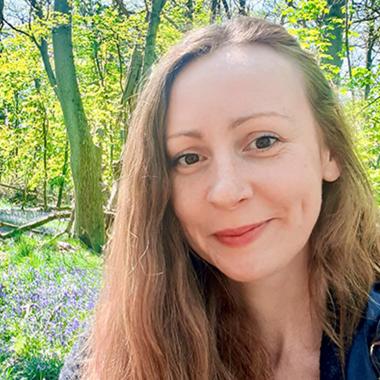
Dr Jo Birkett
Senior Lecturer
After completing training in various therapeutic modalities, including psychodynamic psychotherapy, cognitive behavioural therapy (CBT) and body-orientated psychotherapy, Jo Birkett earned a Master's in Counselling Psychology and qualified as a Clinical Psychologist from the Salomons Institute for Applied Psychology in 2018. Jo developed a keen interest in trauma and community-based approaches to mental health, and her current research pursuits encompass psychologically informed interventions and community initiatives that support wellbeing.
Jo possesses a strong passion for teaching and thrives on engaging with new students through teaching, research supervision, and her role as a personal tutor. Her commitment to decolonising and diversifying the psychology curriculum reflects her dedication to promoting inclusivity and broadening perspectives in the field.
Students learn to embrace the complexities of the human experience through their studies in counselling and psychology. It’s an enriching journey, both personally and professionally.
Course Team
- Chantal Gautier - Senior Lecturer
- Dr Nikolaos Souvlakis - Senior Lecturer
- Professor Damien Ridge - Professor
- Dr Christopher Lloyd - Senior Lecturer
- Effy Duibhir Westenra - Senior Lecturer
- Dr Mark Gardner - Principal Lecturer
- Dr Maria Woloshynowych - Senior Lecturer
- Dr Sanjay Joban - Senior Lecturer
- Dr Maria Fotiadou - PTVL - LAS
- Dr Haiko Ballieux - Senior Lecturer Developmental Cognitive Neuroscience
- Dr Yue Li - Senior Lecturer
- Dr Rachel Hutchinson - Senior Lecturer
- Dr Magdalene Ng - Lecturer
- Dr Jo Birkett - Senior Lecturer
Why study this course?

Professional accreditation
Our Psychology and Counselling BSc Honours course is accredited by the British Psychological Society (BPS).

Fantastic central London location
Based in our Cavendish Campus in central London, you’ll enjoy the benefits of studying in a major global city.

Build your skillset
You'll gain valuable helping and listening skills, develop knowledge and understanding of counselling and psychotherapeutic approaches, and enhance your career prospects.
Facilities
The psychology department has recently been revamped including £2.2m spent on award‑winning laboratory spaces. Our state-of-the-art labs include individual research labs with eye trackers, soundproofed spaces and a one-way mirror lab for group experiments.

Psychology Labs
Our psychobiology and psychophysiology lab includes a rotating cabin chair which is used for research into motion sickness.

Psychology Labs
Facilities also include a Transcranial Magnetic Stimulation Lab and EEG (electroencephalogram) lab.

Psychology Labs
Facilities also include a Transcranial Magnetic Stimulation Lab and EEG (electroencephalogram) lab.

Psychology Offices
Our psychology office space won an architectural award and has plenty of collaboration space as well as offices, so it makes a great place to study between lectures or meet with your classmates.
Entry Requirements
- A levels – DEE (56 UCAS Tariff points)
- T levels – 56 UCAS Tariff points
- International Baccalaureate – 56 UCAS Tariff points from all components of the Diploma Programme. International Baccalaureate Career-related Programme will be considered on a case-by-case basis
- BTEC Extended Diploma – MPP
- BTEC Diploma – MM
- Access – 56 UCAS Tariff points from the Access course
If your first language is not English, you will need an IELTS of 6.0 overall, with 5.5 in each component.
We also welcome applications from students who are taking a combination of qualifications listed above. For further information, please contact Course Enquiries.
View more information about our entry requirements and the application process.
International Baccalaureate
56 UCAS Tariff points from all components of the Diploma Programme. International Baccalaureate Career-related Programme will be considered on a case-by-case basis. You can refer to the UCAS calculator to determine your point score. Find out more about acceptance of the International and European Baccalaureate.
Other international qualifications
We accept a wide range of international high school level qualifications. Please see information on country-specific entry requirements.
International Foundation courses
We work in partnership with Kaplan International College London who provide the International Foundation Certificate at their College based in London Bridge. These courses are for students who don’t meet our direct entry requirements. Upon successful completion, you can progress to your chosen degree at the University of Westminster. Find out more about the different university preparation courses that are accepted for entry.
English language requirements
If your first language is not English, you will need an IELTS of 6.0 overall, with 5.5 in each component. Please note we accept a wide range of English language qualifications and assessments. Find out more at English language requirements.
If you don't meet the English language requirements yet, then we offer online and on campus pre-sessional English programmes to help develop your English language skills to the required level before you start your course. Find out more about our pre-sessional English programmes.
Direct (Advanced) Entry or Transfer
Direct entry to Year 2 may be available for some of our programmes. You will need to have already successfully completed part of your undergraduate course elsewhere with the relevant number of credits of a comparable degree, or have passed an International Year One programme at a recognised partner institution. We are unable to consider applications from international students who have failed Year 1 or who are not eligible to progress within their current programme of study. Please note that admission to Year 3 is rarely granted. Applications for direct entry are made through UCAS, selecting the appropriate 'point of entry' whilst making your application e.g. for second year entry you would choose point of entry 2.
More information
- A levels – DEE (56 UCAS Tariff points)
- T levels – 56 UCAS Tariff points
- International Baccalaureate – 56 UCAS Tariff points from all components of the Diploma Programme. International Baccalaureate Career-related Programme will be considered on a case-by-case basis
- BTEC Extended Diploma – MPP
- BTEC Diploma – MM
- Access – 56 UCAS Tariff points from the Access course
If your first language is not English, you will need an IELTS of 6.0 overall, with 5.5 in each component.
We also welcome applications from students who are taking a combination of qualifications listed above. For further information, please contact Course Enquiries.
View more information about our entry requirements and the application process.
International Baccalaureate
56 UCAS Tariff points from all components of the Diploma Programme. International Baccalaureate Career-related Programme will be considered on a case-by-case basis. You can refer to the UCAS calculator to determine your point score. Find out more about acceptance of the International and European Baccalaureate.
Other international qualifications
We accept a wide range of international high school level qualifications. Please see information on country-specific entry requirements.
International Foundation courses
We work in partnership with Kaplan International College London who provide the International Foundation Certificate at their College based in London Bridge. These courses are for students who don’t meet our direct entry requirements. Upon successful completion, you can progress to your chosen degree at the University of Westminster. Find out more about the different university preparation courses that are accepted for entry.
English language requirements
If your first language is not English, you will need an IELTS of 6.0 overall, with 5.5 in each component. Please note we accept a wide range of English language qualifications and assessments. Find out more at English language requirements.
If you don't meet the English language requirements yet, then we offer online and on campus pre-sessional English programmes to help develop your English language skills to the required level before you start your course. Find out more about our pre-sessional English programmes.
Direct (Advanced) Entry or Transfer
Direct entry to Year 2 may be available for some of our programmes. You will need to have already successfully completed part of your undergraduate course elsewhere with the relevant number of credits of a comparable degree, or have passed an International Year One programme at a recognised partner institution. We are unable to consider applications from international students who have failed Year 1 or who are not eligible to progress within their current programme of study. Please note that admission to Year 3 is rarely granted. Applications for direct entry are made through UCAS, selecting the appropriate 'point of entry' whilst making your application e.g. for second year entry you would choose point of entry 2.
More information
What our students say

Shamini Satkunam
Psychology and Counselling BSc Honours - 2021
Healthcare Assistant
I would like to say a big thank you for creating the Psychology and Counselling course. I have been working as a healthcare assistant in a priory psychiatric hospital since graduating. I have found myself using not only the theoretical knowledge learnt during the course but also the practical skills needed to communicate with vulnerable patients/people. In particular, the 'Reflective practice and listening skills in counselling psychology' and 'Mindfulness in Psychotherapeutic Practice' modules have been useful to incorporate as an HCA in a psychiatric hospital. I did not expect to use these skills so soon!

Anna Britton
Psychology and Counselling BSc - 2022
The course has been a great mix of learning the fundamentals of multiple theories and branches of psychology, and then applying these to the skills learned in the counselling branch. I've found the teaching staff to be very supportive... They're always willing to answer questions.
Learn new skills

Learn a new language
From Arabic to Spanish, you can learn a new language alongside your degree with our Polylang programme.

Develop your entrepreneurial skills
Access industry networking events, workshops, one-to-one business advice and start-up support through our award-winning WeNetwork.

Gain extra qualifications
We provide access to free online courses in Adobe and Microsoft Office applications, as well as thousands of specialist courses on LinkedIn Learning.
Fees and Funding
UK tuition fee: £9,790 (Price per academic year)
Please note that if you defer your place, the first year’s tuition fees will be those of the academic year in which you enrol, which may be higher than the fee shown for this year.
Fees are subject to UK Government Parliamentary procedure.
Find out how we set our tuition fees.
Funding
As well as tuition fee loans, there is a range of funding available to help you fund your studies.
Find out about undergraduate student funding options.
Scholarships
The University is dedicated to supporting ambitious and outstanding students and we offer a variety of scholarships to eligible undergraduate students, which cover all or part of your tuition fees.
Find out if you qualify for one of our scholarships.
Additional costs
See what you may need to pay for separately and what your tuition fees cover.
International tuition fee: £17,600 (Price per academic year)
When you have enrolled with us, your annual tuition fees will remain the same throughout your studies with us. We do not increase International tuition fees.
Please note that if you defer your place, the first year’s tuition fees will be those of the academic year in which you enrol, which may be higher than the fee shown for this year.
Find out how we set our tuition fees.
EU Qualifications Welcome Award Scheme
If you are an international student accepted on an undergraduate programme starting in September at level 3 (Foundation) or level 4 (first year) on the basis of an eligible EU qualification only, you will be awarded a £4,500 tuition fee reduction off your first year of studies. For more information, see the EU Qualifications Welcome Award Scheme.
International student funding
Find out about funding for international students.
Additional costs
See what you may need to pay for separately and what your tuition fees cover.
UK tuition fee: £9,790 (Price per academic year)
Please note that if you defer your place, the first year’s tuition fees will be those of the academic year in which you enrol, which may be higher than the fee shown for this year.
Fees are subject to UK Government Parliamentary procedure.
Find out how we set our tuition fees.
Funding
As well as tuition fee loans, there is a range of funding available to help you fund your studies.
Find out about undergraduate student funding options.
Scholarships
The University is dedicated to supporting ambitious and outstanding students and we offer a variety of scholarships to eligible undergraduate students, which cover all or part of your tuition fees.
Find out if you qualify for one of our scholarships.
Additional costs
See what you may need to pay for separately and what your tuition fees cover.
International tuition fee: £17,600 (Price per academic year)
When you have enrolled with us, your annual tuition fees will remain the same throughout your studies with us. We do not increase International tuition fees.
Please note that if you defer your place, the first year’s tuition fees will be those of the academic year in which you enrol, which may be higher than the fee shown for this year.
Find out how we set our tuition fees.
EU Qualifications Welcome Award Scheme
If you are an international student accepted on an undergraduate programme starting in September at level 3 (Foundation) or level 4 (first year) on the basis of an eligible EU qualification only, you will be awarded a £4,500 tuition fee reduction off your first year of studies. For more information, see the EU Qualifications Welcome Award Scheme.
International student funding
Find out about funding for international students.
Additional costs
See what you may need to pay for separately and what your tuition fees cover.
Teaching and Assessment
Below you will find how learning time and assessment types are distributed on this course. The graphs below give an indication of what you can expect through approximate percentages, taken either from the experience of previous cohorts, or based on the standard module diet where historic course data is unavailable. Changes to the division of learning time and assessment may be made in response to feedback and in accordance with our terms and conditions.
How you'll be taught
Teaching methods across all our undergraduate courses focus on active student learning through lectures, seminars, workshops, problem-based and blended learning, and where appropriate practical application. Learning typically falls into three broad categories:
- Scheduled hours: examples include lectures, seminars, practical classes, workshops, supervised time in a studio
- Placement: placement hours normally include placement opportunities, but may also include live projects or virtual activity involving employers
- Independent study: non-scheduled time in which students are expected to study independently. This may include preparation for scheduled sessions, follow-up work, wider reading or practice, completion of assessment tasks, or revision
How you'll be assessed
Our undergraduate courses include a wide variety of assessments.
Assessments typically fall into three broad categories:
- Practical: examples include presentations, videos, podcasts, lab work, creating artefacts
- Written exams: end of semester exams
- Coursework: examples include essays, reports, in-class tests, portfolios, dissertation
Data from the academic year 2025/26
Supporting you
We are ranked first in London for student support (Whatuni Student Choice Awards 2026).
Our Student Hub is where you’ll find out about the services and support we offer, helping you get the best out of your time with us.
- Study support – workshops, 1-2-1 support and online resources to help improve your academic and research skills
- Personal tutors – support you in fulfilling your academic and personal potential
- Student advice team – provide specialist advice on a range of issues including funding, benefits and visas
- Extra-curricular activities – volunteering opportunities, sports and fitness activities, student events and more

Course location
With state-of-the-art science and psychology labs and refurbished computer suites, our Cavendish Campus offers our science and technology students a range of learning spaces that are both dynamic and inspiring,
Located in central London, our Cavendish Campus is just a five-minute walk from Oxford Street and Tottenham Court Road.
This course is based at Cavendish Campus, though some teaching may take place at our other central London campuses.
For more details, visit our Cavendish Campus page.


CHANGES TO OUR COURSES
All content on our course pages is accurate at time of publication.
Where significant or material changes have been made, applicants will be informed of these in line with Competition and Markets Authority guidance.
Contact us
Call our dedicated team on:
+44 (0)20 7911 5000 ext 65511
Opening hours (GMT): 10am–4pm Monday to Friday
Opening hours (GMT): 10am–4pm Monday to Friday
More information
Your Westminster
Book an open day. Order a prospectus. Sign up for newsletters.