Course Overview
Course summary
Find your voice, sharpen your skills and discover what kind of illustrator you want to become.
On our Illustration BA, you’ll explore the power of images to tell stories, ask questions, shift perspectives and connect with audiences. You’ll experiment across drawing, printmaking, digital media, 3D processes and emerging technologies, with access to facilities including textiles, laser-cutting, casting, 3D printing, AR/VR/MR and professional digital software.
Based at our Harrow campus, you’ll join a close-knit community of image-makers, thinkers and visual storytellers. You’ll work alongside tutors, peers and practising illustrators, take part in live briefs, and engage with London’s rich visual culture.
You’ll also build your professional confidence through client-facing projects and placement opportunities via Zone 29, course membership of the Association of Illustrators, and the chance to showcase your work at our Degree Show and London graduate showcases like D&AD or New Designers.
Top reasons to study with us
- We see you. Our course community’s objective is to inclusively support individual learners wherever their ambitions take them.
- Advanced, accessible and spacious facilities supporting drawing, printmaking, photography, animation, 3D fabrication, textiles, interactive, film, and digital processes. Futureproof your career with critical and practical understanding of new technologies. Network with students from other creative courses in these spaces.
- Conversation with active, supportive, practitioners across the creative industries to give you feedback on your work and expand your thinking about the future of Illustration and your opportunities.
- Harrow campus, the dynamic creative hub of the University of Westminster is also just 20 minutes from London’s expansive cultural experience of galleries, museums, creative institutes and entertainments.
- Build your career skills and confidence through Zone29, our dedicated home of careers and enterprise, and benefit from our course membership with the renowned Association of Illustrators.
- Be seen by industry and future employers at Harrow Campus’ purpose-built Gallery West and one of London’s creative talent showcase such as New Designers or D&AD.
Course Overview Video
Learn more about this course from a member of the course team.
Modules
Each year you’ll study core modules and choose from a varied range of optional modules. You’ll learn through a dynamic mix of formats including individual tutorials, student-led studio classes, group work, presentations, technical sessions, online training and lectures. In project work, you’ll collaborate with students from your course and others, helping you to build vital teamworking skills.
You’ll also get to hear talks from visiting artists, take part in workshops led by industry experts, and go on frequent trips into central London to exhibitions and design fairs.
Types of module
Our undergraduate courses comprise three types of module:
- Core modules: compulsory modules that you must take each year
- Option modules: modules that you can choose from to tailor your course to your interests, normally related to your subject area
- Elective modules (also called 'Electives'): wider, interdisciplinary modules that you may be able to choose from to broaden your academic experience and skills – covering everything from learning a new language to building enterprise skills
Module availability
We aim to offer a wide range of option modules and electives, but we cannot always guarantee your preferred choices as availability can be affected by timetabling constraints, staff availability or student demand.
Elective modules may be subject to change, but you can look through an indicative list on our University-wide electives page.
For more information
Full details on course structure, modules, teaching and assessment can be found in the programme specification below.
Explore, and experiment with, a variety of techniques and conceptual approaches in image-making and Illustration. With a focus on drawing and image-making to develop your visual and critical skills, play with and reflect on ranging techniques and applications: digital art; printmaking; animation; design and graphic mark-making.
Core modules
In this module you will expand your image making skills, developing greater appreciation of illustration as a tool to document, observe, inform, provoke, educate in responses that originate in real world situations and events. You will take the role of a visual journalist, a commentator or even an activist, exploring various approaches to recording and visually interpreting political events, social issues and action, and lived experience.
This module is designed to open up speculative enquiry and creative exploring of drawing approaches. Learning on this module is transferable and interdisciplinary offering a range of practical workshops and projects to widen the potential of possibilities in drawing practice and deepen your understanding of visual design and image-making.
Through this module you will develop your industry skills in conversation with critical studies, preparing you to transform and lead the creative industries. It will build your industry knowledge, develop practical and digital skills, and explore creative production technologies within your specific discipline. With guidance, and your own study and experimentation, this module aims to strengthen your creative confidence by developing your expertise and knowledge in your discipline area. You will also learn to deconstruct and interpret client-led instructions, as well as an introduction to the basics of researching and presenting information as a group.
In this module you will gain a good understanding of the changing contexts and cultures of illustration and visual communication. You will consider different forms of media, the social sectors you aim to address, the ways you are distributed, and how such factors have an impact on the kinds of images and messages that are produced. In the studio you will develop your own lines of visual inquiry to apply and explore selected contexts and cultures of image-making.
This module invites exploration of a range of methods of creating imagery and visual meaning. The module supports you to gain an understanding in visual communication and develop your skills in drawing and image-making. Projects are designed to set simple constraints and creative challenges that ask you to test your image-making ability and aptitudes as well as develop your knowledge of visual literacies. You will have the freedom to choose to work with a range of processes that may include mixed media, analogue and digital, time-based and still images.
Option modules
This module is an introduction to working with 2D animation software. It will give you an overview of the various applications of 2D modelling and animation, as well as an understanding of 2D aesthetics. A series of workshops will introduce you to the skills needed to create your own 2D assets, and you will practice animating a 2D rig. These workshops will be the building blocks you need to develop your own concept for a 2D asset or animation.
This module introduces you to the practice and production of 2-dimensional (2D) game development. You will consider some of the principles used to develop 2D games. Look at the concepts and methods used to create 2D assets to match a games design brief, including those used to create retro styles such as pixel art.
This module introduces you to the creative and professional practice of concept art across games, film, and related creative industries. You will develop your ability to communicate visual ideas through a range of traditional and digital techniques while exploring the role of research, iteration, and presentation in visual storytelling. You'll investigate how historical, cultural, and global perspectives shape visual languages and production contexts, and how awareness of inclusion, representation, and audience can inform creative choices. Through workshops, research-led visual studies, and iterative creative projects, you will produce original concept work that demonstrates both creative intent and contextual understanding.
This module aims to introduce you to the joy of typography. It introduces the concepts, approaches, cultural and technological developments relating to typography. You will explore issues including type as visual message, contemporary contexts and perspectives, and the role of typography in digital media. Workshops and projects give you an understanding of how to employ typographical structures to present the written word.
Begin to identify possibilities for your own creative direction. While continuing to improve your visual and critical skills you will work on projects which reflect the kind of briefs you’ll find in industry. With guidance begin to customise your learning through self-defined projects and optional modules to further direct and develop your own creative identity and career choices. This includes considering the option for your next academic year as ‘study abroad’ or ‘work placements’.
Core modules
This module is designed to prepare you for life after graduation, which includes building a sustainable career in the creative industries. Through a combination of theoretical learning and practical application, you'll delve into the professional aspects of the creative industries, including industry standards, client relationships, project management, and ethical considerations. Engaging seminars, workshops, and lectures from industry experts will offer invaluable perspectives and real-world experiences. From developing CVs and career portfolios, this module equips you with the knowledge and professionalism required to thrive in your future career. This work may also be used as a springboard to work experience or a work placement (also possible to take as a sandwich year). You will be given guidance and support in finding and applying for an appropriate work placement.
This module explores the impact of illustration practice as image and meaning production. As a future illustrator, you will engage with diverse, evolving cultures and visual practices, so you need to understand multifaceted contexts and impacts. With guidance and support, you will produce illustration work while examining its impact within broader visual and cultural frameworks. Through documented practice and research, you’ll develop your passions and inquiries, ultimately creating meaningful and informed illustration outcomes.
This module highlights the importance of mastering digital techniques while also engaging you in ranging methods to foster creativity towards producing distinctive images as an expert Illustrator. After initial practical workshops and lectures you will plan and direct your own critical themes for study and image-making production with tutor guidance.
In this module, you will explore key principles and theories of narrative. You will be invited to discuss a range of traditional and contemporary applications for visual narrative. Through practical projects, you will examine basic narrative structure, the role of character, environment, action, time, technology, culture and audience interaction in the storytelling process.
Option modules
Visual Identity and branding are key areas of engagement for visual designers. Branding employs design solutions to bring recognition to a wide range of companies, organisations, products, services and causes - providing users with meaningful ways to access and interact with them. In this module, you will consider some of the principles and methods behind visual Identity and branding. The module will introduce design research methods towards the construction of a brand identity and will look at branding from historical and contemporary positions. Through a combination of research, academic writing and design processes, you'll explore the dual sides of branding as both a generator of potent narratives and the impetus behind problematic consumerism, evoking related social contexts and the responsibility of the designer's role in this. As technologies and new user experiences are increasingly embedded within branding and visual identities, the module opens areas of creative exploration to complement physical, spatial and conceptual outcomes.
This module develops your creative and technical understanding of character and creature design within the context of games and related creative industries. You'll explore how anatomy, form, silhouette, and visual style contribute to personality, narrative, and gameplay. Through research, sketching, and iterative design, you'll generate ideas that can be taken from concept art to a resolved visual piece. Working with both traditional and digital techniques, you will develop awareness of cultural influences, representation, and inclusivity in design practice. The module encourages critical reflection on how different artistic and cultural traditions inform the design of characters and creatures, and how concept artists contribute to visual world-building across genres and media.
This module enables you to create a modern piece of interactive media in the form of a website, while also expanding your knowledge of the theories and practices common to the production of interactive media. Through definition and research, you will develop an exciting and unique website project concept, using creative technologies to produce a final professional product. The final prototype website will be developed using current industry digital tools.
Through immersive technologies, creatives have new opportunities to create interactive and immersive experiences, exhibit work at any scale and bridge distances between audiences and artistic experiences. This module will focus on the different aspects of designing for extended reality, while learning about the development of immersive arts as a medium and exploring the ways in which emerging technologies are being utilised by contemporary artists for the exploration of new digital realms. Within this module, you'll be provided with an academic space to creatively explore a range of emerging technologies suited for producing immersive VR and AR experiences.
You'll be exposed to software and hardware relevant for VR and AR, and a selection of workshops will form the framework for creative enquiry and exploration. You'll have the option to explore either AR or VR-based production approaches in your final project, depending on individual interests, with both pathways supported in the workshop course. Within the assessment, there is scope to be experimental, speculative, or applied within the exploration of immersive technology.
This module introduces students to the narrative traditions of the video game industry, with a focus on the use of interactive stories and text-based games to give players a sense of agency. It compares the nature of these works with more traditional narrative forms, and introduces concepts of narrative mechanics, narrative choice and consequence, and audience agency. Students will learn to develop ideas and designs in response to gameplay and narrative requirements, and then develop them from the concept stage through to full digital artefacts.
This module provides you with the opportunity to explore stop-motion animation practices, including puppet animation, sand or paint on glass, pixilation, cut-outs, time-lapse etc. You'll complete a self-negotiated animation, working either individually or in a group, through a process of negotiation with tutors and peers.
This module gives you an introduction to the use of visual effects (VFX) for film and games. The module will explore digital aesthetics and creating digital workflows, and the software used to create VFX. Technical support will be available through live demonstrations and online support. When possible, external lectures by industry professionals will enhance your learning on this module. You'll have a varied set of digital experiences when you start the module, so teaching and learning activities will be adapted to suit both those who require extra support, and those who are already familiar with the core software and wish to improve their knowledge and experience.
As an extra option to your degree you can choose to take advantage of either studying abroad or completing relevant work placements. Either choice is credited as an extra full year of academic study.
Study module
- Work Placement: Gain industry experience as part of your degree. Support is given from the ‘Work-Placement’ staff team in Year 2 to help you identify and apply for relevant work placements. These extra credits entitle you to the degree award of ‘Illustration with Work Experience’.
or
- Study Abroad: Gain international experience as part of your degree. Support is given from the ‘Study Abroad’ staff team in Year 2 to help you identify and apply for relevant study programmes at one of our Exchange Partner Institutions. These extra credits entitle you to the degree award of ‘Illustration with International Experience’.
Focus on the direction of your graduate occupation by proposing, developing, and completing a self-defined Major Illustration Project. Complement your learning programme with optional modules that build on your creative strengths and professional direction. Showcase your talent at Harrow Campus’s professional exhibition spaces for your Degree Show and again one of London’s public creative venues.
Core modules
This module is the culmination of your creative practice. It gives you space and support to build upon your strengths and interests and develop a body of visual material that will enhance application for employment, professional commissions or further study. You may work individually or as part of a team. The work produced is self-defined and may extend personal lines of enquiry or professional, client-led application explored in other modules.
This module gives you the opportunity to apply and extend the skills and knowledge gained in the previous years of your degree by developing and working on a collaborative group project. You will work together across courses and disciplines to design and develop responses that engage with UNESCO’s Education for Sustainable Development initiative, displaying your understanding of the role your discipline plays in achieving sustainable development.
This module supports the development of your research, critical thinking, and project planning skills through visual experimentation and conceptual exploration. You will investigate a range of ideas, themes, and media to help identify potential directions for your future practice in Illustration. Working towards the completion of a self-directed Sustainable Illustration Project, you will test approaches to image-making, narrative, and visual communication. This project offers a focused opportunity to develop and refine creative processes, explore production methods, and assess how your ideas may evolve into larger-scale or professional outcomes. Sustainable and ethical considerations are embedded throughout the module. You will reflect on your responsibilities as a cultural image-maker, addressing the social, political, and environmental impact of your work. This includes developing an awareness of how visual choices and production methods contribute to a more responsible and thoughtful creative practice. You will receive regular guidance and feedback through seminars, tutorials, and specialist workshops. These sessions will introduce contemporary case studies from across the field of Illustration to help you contextualise your project within wider industry practices and critical debates. By the end of the module, you will have produced a resolved Minor Project that tests creative and conceptual ideas, demonstrates technical understanding, and provides a foundation for future development in your practice.
Option modules
This module gives you the opportunity to plan and produce a complete character performance (animated or sequential) to industry standards. The module puts a strong emphasis on self‐directed processes and developing your individual and personal creative approach to the visualisation of your character's performance. You are expected to expand your aesthetic range, make imaginative use of software/tools, and produce a character performance that will be a great asset for a showreel and/or portfolio.
This module offers the space for a research-led critical enquiry into a topic connected to your area of creative practice. Including a research presentation and a short academic essay, you will undertake a self-directed investigation into a key aspect of the discourse specific context that surrounds your visual output. Researching and writing about contemporary concerns that frame visual culture will provide a path to a more critical approach to studio practice. This module will be of particular interest to students who may be considering a postgraduate degree.
The module focuses on collaboration with others from different disciplines, to research, explore and experiment with possibilities for expanding storytelling. Through hands-on workshops and critical provocations, you will explore multi-sensory approaches to interactive storytelling, spatial narratives and installation design. Playfulness, speculation and experimentation are encouraged as you work individually or collaboratively to develop proposals and prototypes for a narrative experience.
This module will support you in researching and planning your postgraduate employment journey, whether as a freelancer or by starting a small business in the media, creative, and related digital industries. Through the module, you will develop an awareness of commercial opportunities and learn how to focus your entrepreneurial skills on a chosen field – learning how to develop business ideas and how to present and pitch them effectively. You'll develop a plan to create a start-up business or become a freelancer, learning about personal branding, marketing, project management, budgeting, sustainability, and building an online presence along the way.
This module encourages you to engage with experimental practice as a form of inquiry and research. You will explore creative processes that push beyond traditional subject-disciplined techniques and methods, embracing risk-taking, innovation, and interdisciplinary approaches. Through practice-based investigation, you'll be challenged to develop work that questions boundaries, explores new territories, and opens alternative ways of thinking about your subject discipline and its role in contemporary culture.
In this module, you will explore the opportunities and creative challenges of publishing in various printed formats, ranging from low-fi to luxury, including zines, booklets, magazines, art books, and books. You will be required to pitch, design, and publish an outcome that incorporates writing, illustration, photography, design, typography, and layout, expressed across a range of possible materials and processes. Working in multidisciplinary groups, you will fill all roles needed to conceive, develop, populate, and produce a publication that channels your personal voice, complemented by an appropriate design and format for a specific audience. Skills covering technical, project management, writing, and creative branding components will be supported. The final publication will be an excellent addition to any portfolio.

For more details on course structure, modules, teaching and assessment Download the programme specification (PDF).
To request an accessible version please email [email protected]

Get your copy of the University of Westminster prospectus and browse the range of courses on offer.

Contact us for general course enquiries:
+44 (0)20 7911 5000 EXT 65511
(Mon–Fri, 10am–4pm BST)
Live chat with us
(Mon–Fri, 10am–4pm BST)
Illustration at Westminster
Open days
Join us at an open day online or on campus. Get a feel for student life at the University of Westminster and talk to course leaders and our support teams.
Can't attend? See more open events
Careers
Illustration offers a wide range of career paths. You can work as a freelance artist, providing illustrations for clients across different professional sectors or you can join a company or agency where you collaborate with other creative professionals. Opportunities continue in publishing, advertising, packaging, fashion, design, gaming, film, animation, TV, music, and more. Our graduates work across diverse sectors including educational, therapeutic, curatorial and editorial roles, in fact anywhere an image is needed. New roles and career prospects appear as communication and digital technologies evolve. And as a creative graduate the problem-solving, entrepreneurial skills you learn opens even more doors.

Successful alumni
Alumni include Jim Kay, illustrator for the Harry Potter books and Paul Vincett, puppet maker for X-Men: First Class.

WeNetwork
The University's entrepreneurial network gives you access to workshops, business advice and project work with well-known companies.
Employers
Access a network of over 3,000 employers at the University’s new home for careers and enterprise, Zone29.
Industry links
Opportunities to gain an industry perspective form a fundamental part of your course. You will be taught by active practitioners who ensure that what you learn reflects the needs of today’s creative industries.
You can choose to undertake placements, internships and work experience, and to respond to briefs from organisations that in the past have included the BBC, National Health Service, Hayward Gallery, Penguin and Creative Conscience. Our Westminster Enterprise Network gives you access to expert-led workshops, training, networking events, business advice and work experience opportunities.
Job roles
This course will prepare you for roles in a variety of areas including:
- Animator
- Art director
- Art therapist (requiring further training)
- Company manager
- Event manager
- Graphic designer
- Illustrator – editorial illustration/decorative merchandising and interiors, branding and promotion, visual effects, concept art
- Museum/gallery curator
- Teaching (requiring further training)
Graduate employers
Graduates from this course have found employment at organisations including:
- BAMBI
- CULT – LDN + NYC
- Grafik magazine
- Guinness Partnership
- National Portrait Gallery
- ORCA
- ProAmpac
- Tate Gallery
- The Artworks
- Trafalgar Strategy
- WildBrain Spark
The clients our alumni have worked for include:
- Barbour
- British Museum
- Design Museum
- Harley Davidson
- ITV
- Marks & Spencer
- New Balance
- Nike
- Saatchi & Saatchi
- The Guardian
Unlock your career potential at Zone29
Zone29 is our new home of careers and enterprise, offering game-changing opportunities such as:
- jobs, placements and work experience
- tailored career guidance and mentoring
- step-by-step career planning through the Westminster Award
- work and study abroad programmes
- start-up, business and freelance support

Our alumni
Our course alumni have progressed to many different careers, including:
- Anna Reynolds - Studio and Communications Manager at A Practice for Everyday Life, Designer and Assistant to Mike Radcliffe, and Staff Writer for Grafik
- Ben Jennings – Satirical illustrator – the Guardian, New Statesman, i Newspaper
- Diyala Muir – Animator - winner of the Best Student Film at British Animation Awards 2018
- Dominique Duong - is an illustrator and comic artist working in London, UK. Since her career began, her work has been published by SelfMadeHero, Discord Comics and Limit Break Comics, among others. She’s one of Broken Frontier’s Six Small Press Creators to Watch of 2020 and her comic The Dog & The Cat was nominated for an Ignatz Award.
- Chris Tichborne – Bafta award winning animator / director - Corpse bride, Coraline, Fantastic Mr Fox, Rupert Bear, Postman Pat, Bob the Builder, Bafta award for the Clangers
- Davinia Gregory - Assistant Professor at Teachers College Columbia University - research in material culture studies, Caribbean studies
- Grace Russell - Illustrator and winner of the student V&A Illustration Award 2014
- Hannah Gillingham – Illustrator and artist that has created artwork for a wide range of clients including Disney, Lucasfilm, Marvel, 20th Century Studios, Universal Pictures, Spotify, Adult Swim, Amazon Music, Arrow Video, RSPB, Boehringer Ingelheim and have also contributed to several pop culture group exhibitions in the UK.
- Hiroko Uemoto - Graphic Designer - Paldas, Japan
- Jim Kay - Illustrator and concept artist for books, TV and film (Illustrator for Harry Potter books)
- Josie Shenoy - Illustrator and Surface Designer. Clients include British Museum, Design Museum, Historical Royal Palaces, Imperial War Museum, Somerset House, Anthropologie, Marks & Spencer
- Kaishi Yamaguchi - Graphic and Web Designer, Guanabana Restaurants
- Marcelina Amelia - Painter, printmaker, illustrator. Featured in publications including Booooooom, Bomb, Art Maze, Create Magazine, Digital Arts, Vogue, Refinery29, The NY Times, Der Spiegel, Ballad Of Magazine. Saatchi Art's featured 'Artist in Spotlight' in 2018
- Mateusz Gidaszewski - Head of art and design dept for Vopulus – healthcare education
- Megg Wilford - Graphic Designer and Art Director creating content for the music, fashion and lifestyle industries. Clients include: New Balance, Barbour, ITV
- Michael William Lester – Illustrator and animator - ‘Beginners’ creative studio
- Miles Lauterwasser - Limited Editions Co-ordinator, Tate Gallery
- Paul Vincett - Character Designer, Puppet/costume and prop maker for film and theatre. Film credits include: X-Men: First Class, Tim Burton’s Dark Shadows, Thor 2, Miss Peregrine’s Home for Peculiar Children and Beauty and the Beast. Theatre credits include: His Dark Materials, War Horse, and Shakespeare's Globe’s Gabriel
- Raphael O'Selle - Brand Designer for Guinness Partnership
- Sam Hawkins and Seb Chaloner (aka illustration duo MysteryMeat) – illustration, graphic design, art direction for Adam & Eve, Saatchi & Saatchi, Leo Burnett, The Corner, Pablo, WCRS, Mother. The new Your Times, The Sunday Times, TFL, Droga5NYC, Esquire
- Solomon Tremowo – CEO of Playerium – games and moving image design studio
- Sophie Smiles – Visual Facilitator and Film-maker shortlisted for the prestigeous ‘Rain Dance Film Festival’ 2023 awards for ‘Best Animation Short’.
- Stephanie Alexander Jinks – Director, The Artworks Illustration Agency
- Tim Mcdonagh - Illustrator - Clients: Nike, Penguin, HMV, Virgin, Harley Davidson, Ryanair, Hodder & Stoughton, New Scientist, Wired; Vibe, Variety, CNBC
- Tiziana Federica Ruiu - Concept Artist for the Entertainment Industry (movies and games) Tiziana works as a professional artist, focused on illustration, concept art, animation and 3D modelling.
- Underway Studio Collective - Founded by alumni Aiden Barefoot, Anna Schmidt, Caitlin Parks and Melissa North, Underway is an illustration and printmaking collective based in Brixton, South London. As a collective they sell their artwork and provide printmaking workshops.
International Opportunities
Many of our courses offer international study and work experiences, and the University provides other global opportunities that all students can apply for – so whatever you're studying, you'll have the chance to go abroad.
Opportunities could include:
- Taking part in semester or year-long exchanges at institutions around the world
- Attending an international summer school or field trip
- Developing your CV through volunteering or work placements abroad
International experience broadens horizons, boosts self-confidence, and improves global understanding, alongside being fantastic for your career.
Find out more about our international opportunities, including funding options and where you can go.

Course Leader

Emma Dodson
Senior Lecturer
An alumna of the University of Westminster’s Illustration course herself, Emma has spent three decades freelancing as a painter, puppet/prop maker and occasional art director for film and TV. Notable films she has worked on include Miss Peregrine’s Home for Peculiar Children, Captain America, Hugo, Wolfman, Pirates of the Caribbean, Chocolat, Evita and Captain Corelli’s Mandolin.
Emma also writes, illustrates and designs novelties for children’s picture books. Her work has been published by Walker Books, Hachette, Templar, Scholastic, Barrons, Candlewick Press, and A&C Black.
Emma teaches across a range of disciplines and practice-based areas of illustration and visual communication.
On the Illustration BA we nurture your individual creativity and encourage an open, explorative approach to image making practice.
Course Team
Our tutors have extensive experience across illustration, fine art filmmaking and curation. The course team has expertise in children’s book illustration, prop making for film and TV, drawing, textile/printmaking, animation and filmmaking for companies such as the BBC. Tutors continue to work in the industry alongside their teaching duties, ensuring that you learn the latest commercial practice and thinking.
Why study this course?

Professional insights
Industry professionals and our alumni visit regularly to talk to students about their future careers.

Collaborative learning
Opportunities to work with students from other courses including film, fashion, music, fine art photography and journalism.

Industry-standard facilities
Facilities for everything from large-scale work to traditional figure drawing, printmaking to green screen work.
Entry Requirements
- A levels – CCC (96 UCAS Tariff points)
- T levels – 96 UCAS Tariff points
- International Baccalaureate – 96 UCAS Tariff points from all components of the Diploma Programme. International Baccalaureate Career-related Programme will be considered on a case-by case basis
- BTEC Extended Diploma – MMM
- BTEC Diploma – DD
- Access – 96 UCAS Tariff points from the Access course
In addition to one of the above, you should have:
- GCSE English Language grade 4/C – IB grade 4 Higher level, GCSE Maths Pass – IB Pass
If your first language is not English, you will need an IELTS of 6.0 overall, with at least 5.5 in each component.
We also welcome applications from students who are taking a combinations of qualifications listed above. For further information, please contact Course Enquiries.
Direct (advanced) entry or transfer
Direct entry to Year 2 may be available for some of our programmes. You will need to have already successfully completed part of your undergraduate course elsewhere with the relevant number of credits of a comparable degree. Please note that admission to Year 3 is rarely granted. Applications for direct entry are made through UCAS, selecting the appropriate 'point of entry' whilst making your application, e.g. for second-year entry, you would choose a point of entry 2.
More information
View more information about our entry requirements and the application process.
Portfolio guidance
Number of recommended portfolio pieces.
Please include between 10 - 15 pieces of work.
What should I include in my portfolio submission?
Ideally your portfolio should include:
- a balance of initial sketches and visual explorations as well as more resolved final work or artefacts.
- at least one entire project that was created for a specific audience, showing development from the seeds of an idea to final outcome.
- work that shows your range of technical and creative abilities.
- explorations of varied media are appreciated, such as digital images, traditional artwork, print media, games, animation, film, web, sculpture, printmaking, photography, textiles, or installation.
- a short sentence with each piece that helps us understand ideas behind the work and your creative thought process.
How should I structure my portfolio?
You can submit your portfolio in one of two ways.
- Upload your work to a digital portfolio platform such as Behance.net, flickr.com, ArtStation.com, or other.
- Create a digital portfolio as a PDF document and upload to a cloud storage platform such as Google Docs, OneDrive, Dropbox, or other.
We would like you to copy and paste the portfolio web-link into a word/text document and upload that to the Applicant Portal, as per instructions on the cover email. Importantly, please ensure there are no passwords or expiry dates on the portfolio so that we can view it without requesting access.
How will my portfolio be evaluated?
Your portfolio will be evaluated based on the following criteria:
- Creativity and Originality - We are looking for work that reflects your individual style and ideas.
- Technical Proficiency and Skill - Demonstrate your abilities in your chosen specialism/s.
- Passion and Potential for Growth - Show your passion and potential for growth while on our degree.
You may be invited to an interview to discuss your portfolio. We are keen that you use this process to help us to understand you as an individual, including your skills, your inspirations and current expertise.
What happens next?
Selected applicants receiving an offer will be invited to an applicant event that allows you to experience the university campus and course learning. This event also provides a chance for us to learn more about you and your creative goals.
Top Tip from our course team
We want to see work that you are proud of and which demonstrates your ideas, interests, and creative skills.
Please do not send in portfolios until requested to do so by the University's Admissions team. You will be notified by email about when to submit your portfolio.
International Baccalaureate
96 UCAS Tariff points from all components of the Diploma Programme. International Baccalaureate Career-related Programme will be considered on a case-by-case basis. You can refer to the UCAS calculator to determine your point score. Find out more about acceptance of the International and European Baccalaureate.
Other international qualifications
We accept a wide range of international high school level qualifications. Please see information on country-specific entry requirements.
International Foundation courses
We work in partnership with Kaplan International College London who provide the International Foundation Certificate at their College based in London Bridge. These courses are for students who don’t meet our direct entry requirements. Upon successful completion, you can progress to your chosen degree at the University of Westminster. Find out more about the different university preparation courses that are accepted for entry.
English language requirements
If your first language is not English, you will need an IELTS of 6.0 overall, with at least 5.5 in each component. Please note we accept a wide range of English language qualifications and assessments. Find out more at English language requirements.
If you don't meet the English language requirements yet, then we offer online and on campus pre-sessional English programmes to help develop your English language skills to the required level before you start your course. Find out more about our pre-sessional English programmes.
Direct (advanced) entry or transfer
We may be able to accept students into Year 2 or Year 3 if enough relevant credits from a comparable degree have been completed as part of an undergraduate course elsewhere. We will assess transcripts, module descriptions, and the number of credits completed to determine the appropriate entry level. We are unable to consider applications from international students who have failed any academic year in their current programme of study.
Applications for general direct entry are made through UCAS, selecting the appropriate 'point of entry', e.g. for second year entry, you would choose point of entry 2, for final year entry, you would choose point of entry 3.
Students who have completed an International Year One programme at a recognised partner institution can apply for year 2 entry for relevant programmes.
Study a University of Westminster degree overseas
We work in partnership with a number of academic institutions around the world that deliver a selection of our undergraduate programmes. Visit Transnational Education Partners for further information.
More information
Portfolio guidance
Number of recommended portfolio pieces.
Please include between 10 - 15 pieces of work.
What should I include in my portfolio submission?
Ideally your portfolio should include:
- a balance of initial sketches and visual explorations as well as more resolved final work or artefacts.
- at least one entire project that was created for a specific audience, showing development from the seeds of an idea to final outcome.
- work that shows your range of technical and creative abilities.
- explorations of varied media are appreciated, such as digital images, traditional artwork, print media, games, animation, film, web, sculpture, printmaking, photography, textiles, or installation.
- a short sentence with each piece that helps us understand ideas behind the work and your creative thought process.
How should I structure my portfolio?
You can submit your portfolio in one of two ways.
- Upload your work to a digital portfolio platform such as Behance.net, flickr.com, ArtStation.com, or other.
- Create a digital portfolio as a PDF document and upload to a cloud storage platform such as Google Docs, OneDrive, Dropbox, or other.
We would like you to copy and paste the portfolio web-link into a word/text document and upload that to the Applicant Portal, as per instructions on the cover email. Importantly, please ensure there are no passwords or expiry dates on the portfolio so that we can view it without requesting access.
How will my portfolio be evaluated?
Your portfolio will be evaluated based on the following criteria:
- Creativity and Originality - We are looking for work that reflects your individual style and ideas.
- Technical Proficiency and Skill - Demonstrate your abilities in your chosen specialism/s.
- Passion and Potential for Growth - Show your passion and potential for growth while on our degree.
You may be invited to an interview to discuss your portfolio. We are keen that you use this process to help us to understand you as an individual, including your skills, your inspirations and current expertise.
What happens next?
Selected applicants receiving an offer will be invited to an applicant event that allows you to experience the university campus and course learning. This event also provides a chance for us to learn more about you and your creative goals.
Top Tip from our course team
We want to see work that you are proud of and which demonstrates your ideas, interests, and creative skills.
Please do not send in portfolios until requested to do so by the University's Admissions team. You will be notified by email about when to submit your portfolio.
- A levels – CCC (96 UCAS Tariff points)
- T levels – 96 UCAS Tariff points
- International Baccalaureate – 96 UCAS Tariff points from all components of the Diploma Programme. International Baccalaureate Career-related Programme will be considered on a case-by case basis
- BTEC Extended Diploma – MMM
- BTEC Diploma – DD
- Access – 96 UCAS Tariff points from the Access course
In addition to one of the above, you should have:
- GCSE English Language grade 4/C – IB grade 4 Higher level, GCSE Maths Pass – IB Pass
If your first language is not English, you will need an IELTS of 6.0 overall, with at least 5.5 in each component.
We also welcome applications from students who are taking a combinations of qualifications listed above. For further information, please contact Course Enquiries.
Direct (advanced) entry or transfer
Direct entry to Year 2 may be available for some of our programmes. You will need to have already successfully completed part of your undergraduate course elsewhere with the relevant number of credits of a comparable degree. Please note that admission to Year 3 is rarely granted. Applications for direct entry are made through UCAS, selecting the appropriate 'point of entry' whilst making your application, e.g. for second-year entry, you would choose a point of entry 2.
More information
View more information about our entry requirements and the application process.
Portfolio guidance
Number of recommended portfolio pieces.
Please include between 10 - 15 pieces of work.
What should I include in my portfolio submission?
Ideally your portfolio should include:
- a balance of initial sketches and visual explorations as well as more resolved final work or artefacts.
- at least one entire project that was created for a specific audience, showing development from the seeds of an idea to final outcome.
- work that shows your range of technical and creative abilities.
- explorations of varied media are appreciated, such as digital images, traditional artwork, print media, games, animation, film, web, sculpture, printmaking, photography, textiles, or installation.
- a short sentence with each piece that helps us understand ideas behind the work and your creative thought process.
How should I structure my portfolio?
You can submit your portfolio in one of two ways.
- Upload your work to a digital portfolio platform such as Behance.net, flickr.com, ArtStation.com, or other.
- Create a digital portfolio as a PDF document and upload to a cloud storage platform such as Google Docs, OneDrive, Dropbox, or other.
We would like you to copy and paste the portfolio web-link into a word/text document and upload that to the Applicant Portal, as per instructions on the cover email. Importantly, please ensure there are no passwords or expiry dates on the portfolio so that we can view it without requesting access.
How will my portfolio be evaluated?
Your portfolio will be evaluated based on the following criteria:
- Creativity and Originality - We are looking for work that reflects your individual style and ideas.
- Technical Proficiency and Skill - Demonstrate your abilities in your chosen specialism/s.
- Passion and Potential for Growth - Show your passion and potential for growth while on our degree.
You may be invited to an interview to discuss your portfolio. We are keen that you use this process to help us to understand you as an individual, including your skills, your inspirations and current expertise.
What happens next?
Selected applicants receiving an offer will be invited to an applicant event that allows you to experience the university campus and course learning. This event also provides a chance for us to learn more about you and your creative goals.
Top Tip from our course team
We want to see work that you are proud of and which demonstrates your ideas, interests, and creative skills.
Please do not send in portfolios until requested to do so by the University's Admissions team. You will be notified by email about when to submit your portfolio.
International Baccalaureate
96 UCAS Tariff points from all components of the Diploma Programme. International Baccalaureate Career-related Programme will be considered on a case-by-case basis. You can refer to the UCAS calculator to determine your point score. Find out more about acceptance of the International and European Baccalaureate.
Other international qualifications
We accept a wide range of international high school level qualifications. Please see information on country-specific entry requirements.
International Foundation courses
We work in partnership with Kaplan International College London who provide the International Foundation Certificate at their College based in London Bridge. These courses are for students who don’t meet our direct entry requirements. Upon successful completion, you can progress to your chosen degree at the University of Westminster. Find out more about the different university preparation courses that are accepted for entry.
English language requirements
If your first language is not English, you will need an IELTS of 6.0 overall, with at least 5.5 in each component. Please note we accept a wide range of English language qualifications and assessments. Find out more at English language requirements.
If you don't meet the English language requirements yet, then we offer online and on campus pre-sessional English programmes to help develop your English language skills to the required level before you start your course. Find out more about our pre-sessional English programmes.
Direct (advanced) entry or transfer
We may be able to accept students into Year 2 or Year 3 if enough relevant credits from a comparable degree have been completed as part of an undergraduate course elsewhere. We will assess transcripts, module descriptions, and the number of credits completed to determine the appropriate entry level. We are unable to consider applications from international students who have failed any academic year in their current programme of study.
Applications for general direct entry are made through UCAS, selecting the appropriate 'point of entry', e.g. for second year entry, you would choose point of entry 2, for final year entry, you would choose point of entry 3.
Students who have completed an International Year One programme at a recognised partner institution can apply for year 2 entry for relevant programmes.
Study a University of Westminster degree overseas
We work in partnership with a number of academic institutions around the world that deliver a selection of our undergraduate programmes. Visit Transnational Education Partners for further information.
More information
Portfolio guidance
Number of recommended portfolio pieces.
Please include between 10 - 15 pieces of work.
What should I include in my portfolio submission?
Ideally your portfolio should include:
- a balance of initial sketches and visual explorations as well as more resolved final work or artefacts.
- at least one entire project that was created for a specific audience, showing development from the seeds of an idea to final outcome.
- work that shows your range of technical and creative abilities.
- explorations of varied media are appreciated, such as digital images, traditional artwork, print media, games, animation, film, web, sculpture, printmaking, photography, textiles, or installation.
- a short sentence with each piece that helps us understand ideas behind the work and your creative thought process.
How should I structure my portfolio?
You can submit your portfolio in one of two ways.
- Upload your work to a digital portfolio platform such as Behance.net, flickr.com, ArtStation.com, or other.
- Create a digital portfolio as a PDF document and upload to a cloud storage platform such as Google Docs, OneDrive, Dropbox, or other.
We would like you to copy and paste the portfolio web-link into a word/text document and upload that to the Applicant Portal, as per instructions on the cover email. Importantly, please ensure there are no passwords or expiry dates on the portfolio so that we can view it without requesting access.
How will my portfolio be evaluated?
Your portfolio will be evaluated based on the following criteria:
- Creativity and Originality - We are looking for work that reflects your individual style and ideas.
- Technical Proficiency and Skill - Demonstrate your abilities in your chosen specialism/s.
- Passion and Potential for Growth - Show your passion and potential for growth while on our degree.
You may be invited to an interview to discuss your portfolio. We are keen that you use this process to help us to understand you as an individual, including your skills, your inspirations and current expertise.
What happens next?
Selected applicants receiving an offer will be invited to an applicant event that allows you to experience the university campus and course learning. This event also provides a chance for us to learn more about you and your creative goals.
Top Tip from our course team
We want to see work that you are proud of and which demonstrates your ideas, interests, and creative skills.
Please do not send in portfolios until requested to do so by the University's Admissions team. You will be notified by email about when to submit your portfolio.
Student Profiles

Clara-Elena Lungu
Illustration BA Hons - 2022 (expected)
The academic staff are very engaged and you can really feel that they are prioritising students’ progress and development. They are always available to help, and you are offered feedback and guidance through one-to-one tutorials and group sessions. As long as you are proactive with your learning, you will get all the guidance needed to reach your professional goals.

Tiziana Ruiu
Illustration BA Hons
I loved the time spent at Westminster. I found it to be an inclusive and stimulating environment, with up-to-date and comfortable facilities. The modules on IVC are very well constructed, I was able to work on exciting projects that aimed to prepare me professionally and expand my artistic portfolio.
Thanks to that, I was able to find a job almost immediately after graduation. Overall, it's been a great experience - I might even say a life-changing one.

Joe Jack Chapman
Illustration BA Hons
Illustration is accessible and incredibly freeing. The course at Westminster is versatile and very broad. I was encouraged to follow my thoughts and just make work until I formed my own practice.
The university environment introduced me to some great illustrators and artists that are now some of my best pals. We all have strong interest and admiration for each other's work.
Student Profiles

Nathalie Dickson
Illustration BA Hons
The course allowed students to explore different mediums and forms of artistic expression. The tutors helped with this, encouraging us to pursue whatever specialism we were most passionate about.
I really enjoyed my time at Westminster, particularly because of the people I was with. Everyone on the course was very respectful and accepting of one another, showing a genuine interest and appreciation for each other's work.

Mely Itzae Montemayor Ayala
Illustration BA Hons - 2023
Throughout the course, we had several workshops run by alumni from the course. The workshops allowed us to explore different areas of specialty such as Concept Art, Children’s Illustration, Animation, plus many more within a professional context. This improved my understanding of how to take my practice further and what skills I would need to develop to pursue my desired area of specialty.
What our students say

Emanuela Onadipe
Illustration BA - 2025
Studying at the University of Westminster has been dynamic and enriching. From cultural events to exhibitions and green spaces, the University offered endless opportunities for learning and inspiration beyond the classroom.
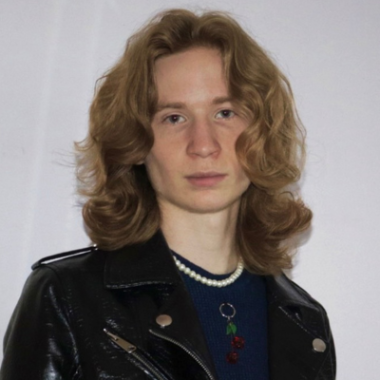
Samuel Green
Illustration BA - 2025
I thoroughly enjoyed the diverse range of modules offered on the course, which gave me the opportunity to explore various aspects of the creative industry and discover the area I wanted to specialise in.
Westminster Degree Shows
The Westminster Degree Shows are an annual collection that showcases the creativity, vibrancy and artistic talent of our undergraduate arts courses. You can see the latest online collection on Westminster Degree Shows.
Image: student work by Nathan Hunter – Illustration BA

Learn new skills

Learn a new language
From Arabic to Spanish, you can learn a new language alongside your degree with our Polylang programme.

Develop your entrepreneurial skills
Access industry networking events, workshops, one-to-one business advice and start-up support through our award-winning WeNetwork.

Gain extra qualifications
We provide access to free online courses in Adobe and Microsoft Office applications, as well as thousands of specialist courses on LinkedIn Learning.
Fees and Funding
UK tuition fee: £10,050 (Price per academic year)
Please note that if you defer your place, the first year’s tuition fees will be those of the academic year in which you enrol, which may be higher than the fee shown for this year.
Fees are subject to UK Government Parliamentary procedure.
Find out how we set our tuition fees.
Funding
As well as tuition fee loans, there is a range of funding available to help you fund your studies.
Find out about undergraduate student funding options.
Scholarships
The University is dedicated to supporting ambitious and outstanding students and we offer a variety of scholarships to eligible undergraduate students, which cover all or part of your tuition fees.
Find out if you qualify for one of our scholarships.
Additional costs
Basic art and studio materials are provided, but you may need to pay for some specialist art materials. The University provides Adobe CC software, and we advise that it’s preferable to have your own laptop.
If you are unsure about what to purchase, our technical support team can advise you once you have enrolled.
See what you may need to pay for separately and what your tuition fees cover.
International tuition fee: £19,000 (Price per academic year)
When you have enrolled with us, your annual tuition fees will remain the same throughout your studies with us. We do not increase International tuition fees.
Please note that if you defer your place, the first year’s tuition fees will be those of the academic year in which you enrol, which may be higher than the fee shown for this year.
Find out how we set our tuition fees.
EU Qualifications Welcome Award Scheme
If you are an international student accepted on an undergraduate programme starting in September at level 3 (Foundation) or level 4 (first year) on the basis of an eligible EU qualification only, you will be awarded a £4,500 tuition fee reduction off your first year of studies. For more information, see the EU Qualifications Welcome Award Scheme.
International student funding
Find out about funding for international students.
Additional costs
Basic art and studio materials are provided, but you may need to pay for some specialist art materials. The University provides Adobe CC software, and we advise that it’s preferable to have your own laptop.
If you are unsure about what to purchase, our technical support team can advise you once you have enrolled.
See what you may need to pay for separately and what your tuition fees cover.
UK tuition fee: £10,050 (Price per academic year)
Please note that if you defer your place, the first year’s tuition fees will be those of the academic year in which you enrol, which may be higher than the fee shown for this year.
Fees are subject to UK Government Parliamentary procedure.
Find out how we set our tuition fees.
Funding
As well as tuition fee loans, there is a range of funding available to help you fund your studies.
Find out about undergraduate student funding options.
Scholarships
The University is dedicated to supporting ambitious and outstanding students and we offer a variety of scholarships to eligible undergraduate students, which cover all or part of your tuition fees.
Find out if you qualify for one of our scholarships.
Additional costs
Basic art and studio materials are provided, but you may need to pay for some specialist art materials. The University provides Adobe CC software, and we advise that it’s preferable to have your own laptop.
If you are unsure about what to purchase, our technical support team can advise you once you have enrolled.
See what you may need to pay for separately and what your tuition fees cover.
International tuition fee: £19,000 (Price per academic year)
When you have enrolled with us, your annual tuition fees will remain the same throughout your studies with us. We do not increase International tuition fees.
Please note that if you defer your place, the first year’s tuition fees will be those of the academic year in which you enrol, which may be higher than the fee shown for this year.
Find out how we set our tuition fees.
EU Qualifications Welcome Award Scheme
If you are an international student accepted on an undergraduate programme starting in September at level 3 (Foundation) or level 4 (first year) on the basis of an eligible EU qualification only, you will be awarded a £4,500 tuition fee reduction off your first year of studies. For more information, see the EU Qualifications Welcome Award Scheme.
International student funding
Find out about funding for international students.
Additional costs
Basic art and studio materials are provided, but you may need to pay for some specialist art materials. The University provides Adobe CC software, and we advise that it’s preferable to have your own laptop.
If you are unsure about what to purchase, our technical support team can advise you once you have enrolled.
See what you may need to pay for separately and what your tuition fees cover.
Facilities
We provide dedicated studio space for each cohort, which includes both collaborative and individual workspaces.
Our studios are equipped with computers, photocopiers, printers and scanners for IT and digital production. The studios are open five days a week, 8am-8pm, with some studios and the campus library open 24 hours a day, seven days a week.
Our facilities accommodate many different techniques, including photography, animation, painting, drawing, printmaking, textile printing, 3D digital printing, laser cutting, high-end inkjet printing, digital imaging, 3D design construction, ceramics, woodwork, metalwork and casting.
We are constantly improving and expanding our facilities, and have recently invested in Wacom tablets and in an Emerging Media Space for technologies such as virtual and augmented reality, and wearable technology.


Find us on Instagram

Our students painting the new Harrow Mural in the Forum

A live drawing class

Our visiting Illustration Graduate Hannah with her work
Teaching and Assessment
Below you will find how learning time and assessment types are distributed on this course. The graphs below give an indication of what you can expect through approximate percentages, taken either from the experience of previous cohorts, or based on the standard module diet where historic course data is unavailable. Changes to the division of learning time and assessment may be made in response to feedback and in accordance with our terms and conditions.
How you'll be taught
Teaching methods across all our undergraduate courses focus on active student learning through lectures, seminars, workshops, problem-based and blended learning, and where appropriate practical application. Learning typically falls into three broad categories:
- Scheduled hours: examples include lectures, seminars, practical classes, workshops, supervised time in a studio
- Placement: placement hours normally include placement opportunities, but may also include live projects or virtual activity involving employers
- Independent study: non-scheduled time in which students are expected to study independently. This may include preparation for scheduled sessions, follow-up work, wider reading or practice, completion of assessment tasks, or revision
How you'll be assessed
Our undergraduate courses include a wide variety of assessments.
Assessments typically fall into three broad categories:
- Practical: examples include presentations, videos, podcasts, lab work, creating artefacts
- Written exams: end of semester exams
- Coursework: examples include essays, reports, in-class tests, portfolios, dissertation
Data from the academic year 2025/26
Supporting you
We are ranked first in London for student support (Whatuni Student Choice Awards 2026).
Our Student Hub is where you’ll find out about the services and support we offer, helping you get the best out of your time with us.
- Study support – workshops, 1-2-1 support and online resources to help improve your academic and research skills
- Personal tutors – support you in fulfilling your academic and personal potential
- Student advice team – provide specialist advice on a range of issues including funding, benefits and visas
- Extra-curricular activities – volunteering opportunities, sports and fitness activities, student events and more

Course Location
Harrow is our creative and cultural hub, home to most of our arts, media and digital courses. It houses state-of-the-art facilities for every discipline, including project and gallery spaces, film studios, creative labs, collaborative learning spaces, and the Westminster Enterprise Network.
Harrow Campus is based in north-west London, just 20 minutes from the city centre by train.
For more details, visit our Harrow Campus page.
This course is based at our Harrow Campus, but to make the most of our teaching spaces and wider learning opportunities, some modules or activities may take place at our central London campuses. These may include guest lectures, degree shows or other teaching activities.


CHANGES TO OUR COURSES
All content on our course pages is accurate at time of publication.
Where significant or material changes have been made, applicants will be informed of these in line with Competition and Markets Authority guidance.
Contact us
Call our dedicated team on:
+44 (0)20 7911 5000 ext 65511
Opening hours (GMT): 10am–4pm Monday to Friday
Opening hours (GMT): 10am–4pm Monday to Friday
More information
Your Westminster
Book an open day. Order a prospectus. Sign up for newsletters.