Course Overview
Thank you for your interest. This course is now full for September 2026. For alternative start dates see the attendance options above.
Course summary
Whether you do not feel ready for degree-level study, don’t have the right qualifications, want to change your subject specialism or return to study after an absence from education, we aim to encourage a broad range of students to undertake our Foundation year. On successful completion of the Foundation year, you'll be able to move on to study for the Fashion Design BA over a further three years of study.
Our Foundation Year in Fashion is your invitation to discover who you are as a creative and what you want to express through fashion. It’s a creative laboratory, a space to experiment, question, and find your voice before progressing onto the Fashion Design BA.
You’ll explore the ideas and challenges shaping today’s industry, from sustainability and digital innovation to diversity and representation, developing the adaptability and critical thinking essential for the next generation of fashion innovators.
Through project-based learning, practical workshops, and collaboration with peers across art and design, you’ll experiment with design concepts, sharpen your communication skills, and grow your technical ability. You’ll also build a professional portfolio that demonstrates your potential and individuality. Your professional portfolio won't just showcase your work; it will tell your story, revealing the creative thinker you're becoming and the impact you want to make.
At Westminster, we value authentic voices and bold perspectives. Your background and experiences are central to shaping fashion’s future. With London as your extended classroom, you’ll connect learning to the city’s cultural energy through field trips and industry engagement.
By the end of the year, you’ll be ready to progress onto the Fashion Design BA as a confident creative, prepared to make fashion a force for positive change. Our course in Fashion Design has been designed to cater for creative, passionate and motivated students who want to pursue a creative degree within the fashion industry and develop a solid understanding of the fashion industry in our digital era. Read the Fashion Design BA course summary to learn more.
Top reasons to study with us
- London Fashion Week opportunities – We were the first undergraduate course in the world to show a selection of our students on the official London Fashion Week schedule
- Outstanding design facilities – You’ll have a dedicated studio equipped with industrial sewing machines, pattern-cutting tables and mannequins
- Industry links – Our course has exceptional industry connections to support you with your career
- Sustainability - Fashion Sustainability Statement Fashion at Westminster School of Arts is defined by a critical, research-led approach to fashion education. Rooted in radical thinking and informed by material and archival practices, we examine fashion as a cultural, social, and industrial system. Rather than treating sustainability as a fixed agenda, we approach it as a field of enquiry shaped by competing values, material conditions, and industry realities. Our graduates are equipped to question orthodoxies; challenge established models and contribute critically to the future of fashion
- Diversity and digital skills – Our course has invested in developing expertise in design for a decolonised curriculum and a commitment to diversity and digital skills for fashion design, including training in CLO 3D
- Award-winning students – Our student success is recognised internationally with recent awards, including the FACE Excellence Award 2023 and 2024, Arts Thread/Gucci prize – Sports & Denim 2021, SHOWstudio Graduates to Watch 2021, DRAWFASHION Illustration Prize (2020), FENTY Design Project (2020)
- Westminster is ranked 2nd in the UK in the Complete University Guide 2023 for ‘Research Quality’ in Art and Design.
Course Overview Video
Learn more about this course from a member of the course team.
Once you’ve successfully completed the Foundation Year, you’ll continue onto the Fashion Design BA. Learn more about this course from our Fashion academics.
Modules
We use several different teaching and learning methods to enable students to develop an imaginative and creative approach to their discipline, based on increasing knowledge of practice and transferable skills.
Learning takes place through a combination of face-to-face teaching and independent study, including lectures, seminars and practical workshops.
Types of module
Our undergraduate courses comprise three types of module:
- Core modules: compulsory modules that you must take each year
- Option modules: modules that you can choose from to tailor your course to your interests, normally related to your subject area
- Elective modules (also called 'Electives'): wider, interdisciplinary modules that you may be able to choose from to broaden your academic experience and skills – covering everything from learning a new language to building enterprise skills
Module availability
We aim to offer a wide range of option modules and electives, but we cannot always guarantee your preferred choices as availability can be affected by timetabling constraints, staff availability or student demand.
Elective modules may be subject to change, but you can look through an indicative list on our University-wide electives page.
For more information
Full details on course structure, modules, teaching and assessment can be found in the programme specification below.
Core modules
This Level 3 module introduces students to the fundamental principles of idea generation, research methodologies, and divergent thinking within the fashion industry. It aims to equip students with the critical and creative skills necessary to conceptualise and develop innovative ideas, providing a foundation for further study and professional practice.
This module develops your ability to turn research and ideas into commercially relevant fashion outputs. Emphasising practical application, critical reflection, and professional communication, it encourages experimentation, peer learning, and awareness of diversity and sustainability, preparing you for higher education and careers in the fashion industry.
This module introduces you to the key academic, professional, and personal skills essential for success at university. It encourages good practices in writing, presentation, and time management, while also fostering reflection to help you build confidence as you transition to higher education. Open to all students enrolled in courses delivered through Westminster Foundation Pathways, the module provides a creative and supportive environment where you can reflect on and develop their academic and professional journey. You'll work with specialist facilitators who play a crucial role in guiding your academic and professional development.
With a focus on managing academic choices in a higher education setting, the module emphasises the importance of the United Nations Sustainable Development Goals (SDGs), using methodologies that prioritise equality, diversity, and inclusion. Through these lenses, you'll explore topics that prepare you to address real-world challenges as highlighted in the SDGs in a socially conscious, inclusive, and responsible manner.
This module is designed to enhance your creative, promotional, and research abilities by providing opportunities to experiment, explore, and develop your technical skill set. This includes imaging and promotional techniques, marketing and branding expertise, digital media and photography skills, personal development planning, brand communication, and reflective research methodologies.
This culminating module empowers students to take control of their educational journey, demonstrating the knowledge, skills, and ethical principles developed throughout their studies. Students establish their own thematic focus, research areas, and creative narratives, cultivating genuine ownership within their design process. The self-directed approach promotes diversity, inclusion, and personal agency. Students from diverse backgrounds explore subjects that align with their individual experiences, cultural heritage, and personal interests. This freedom creates an inclusive atmosphere that recognises diverse perspectives while empowering academic responsibility.
Through planning and executing their own progression, students develop essential competencies in project management, time allocation, and self-motivation – vital for successful transition to undergraduate programmes. The resulting variety of themes enriches collective learning, exposing participants to extensive ideas and methodologies that prepare them for the multicultural fashion industry. This approach bridges academic study and practical application, ensuring thorough preparation for professional futures. Students refine capabilities while deepening their understanding of sustainable and ethical practices within fashion design.
The module functions as a vital stepping stone, helping students develop clearer career aspirations and areas for further exploration, ultimately cultivating confident, skilled, and ethically minded designers prepared for the evolving fashion industry.
Critical thinking is fundamental to our ability to progress in an increasingly complex and changing world. It is an essential skill across a range of academic and practice-based disciplines.
This module helps you understand the importance and function of critical thinking both at university and beyond. By working in partnership with academic staff and peers, you will explore how critical thinking aligns with disciplinary practices, shapes scholarly knowledge, and addresses inequalities. Through problem-posing education and anti-racist practices, you will engage with real-world problems, fostering the ability to create a more just and sustainable world.
This level covers the core fundamentals of the fashion design discipline, including 2D and 3D design practice, CAD and CLO 3D, construction, design, illustration, pattern cutting, print, research, and sustainability for fashion design.
The first year of the Fashion Design BA at Westminster concentrates on introducing the student to a variety of skills and techniques related to all areas of 2D and 3D fashion practice. Design, research, illustration, cut, construction, print, and CAD are all covered.
Research is fostered through a variety of methods including visits to London Fashion Week, fashion shows, exhibitions, sketchbooks, and industry visits.
There are lessons in life drawing and illustration so that students understand proportion in 2D as well as 3D. Students undertake a range of design work spanning both conceptual and commercial briefs.
Core modules
This module will introduce you to illustration and digital skills through life drawing sessions, computer skills classes, and illustration tutorials. The module encourages you to develop an analysis of 2d garment communication and experimentation to develop a personal illustrative style. By fusing hand-drawn and computer techniques, a series of illustrative outcomes based on the international designer collections are produced. You are also introduced to CLO3D as a digital method of drawing and constructing garments. You will present your work as a digital portfolio.
This module will introduce you to the basics of fashion design through sessions on research, design development, pattern cutting and manufacture of a 3D prototype and digital prototype. You will research denim and sustainably informed creative approaches to innovative design outcomes for a given brief before creating a portfolio of work and a 3D Prototype.
In this module, you will work in groups to research four areas of sustainable practice: Resources – reducing energy, waste, material use, chemicals; Upcyling – using waste rather than virgin materials; Lifecycles – making clothing last longer; Systems – designing a system not just a garment (ie circular system)
This module provides induction and understanding of creative research practice, assessment processes and group working required in creative practice subjects. You will be challenged to experiment individually, undertaking contextual and practical research, which will contribute to a significant group project where you'll be allocated creative roles in groups working collaboratively.
You will be introduced to the use of pre-existing garments as a source of design inspiration and research into original garments to analyse and develop ideas from pre-existing detail, construction and silhouette. You will also be introduced to the skill of draping directly onto the stand as an alternative method of pattern cutting and design development, investigation and experimentation. The detail, construction and silhouette selected in the research is used as a basis for design development to produce a variety of design outcomes for a given brief before creating two outcomes: a 3D prototype and a CLO3d prototype. You'll design a capsule collection and portfolio work based on the design work and produce prototypes.
The theoretical part of this module will cover the notion of ‘transformation’ and how this can be applied in particular to the concept of clothing. It will look at how clothes are indicative of their social and historical context and how their meanings transform when taken out of these frameworks.
Option modules
While completing this module you will research the history of outerwear from its origins through its development in Couture and Savile Row, to the current contemporary designer offering, with specific emphasis on the tailored garment and outerwear. Skills workshops will focus on the importance of construction, cut, manufacture, and fabric choice in the design process.
The second year of the Fashion Design BA Honours course focuses on understanding and addressing the demands and needs of the fashion design industry through assignments which develop students' creative 2D, 3D and digital design skills.
The Surface project focuses on fabrication, print and surface embellishment in garment design.
The Sustainable and Responsible Cutting and Draping project allows you to build on the skills gained in the first year and develop experimental cutting techniques aimed at waste reduction for sustainability.
The Identity project allows students to explore and draw on their own cultural identity and how this might inspire their design work.
There is a Preparation for Industry module to prepare students taking the year out in Industry, and a period of internship takes place over 5 weeks whereby Level 5 students assist Level 6 students in the studio in the approach to the Graduate Showcase in June.
Core modules
This module encourages you to design from self-reflective research into the notion of identity. This could be an investigation of historical, current or potential future personal or cultural identity. You'll undertake detailed research of the clothing and culture of your chosen concept. This research may, for example, include cultural artefacts such as objects, art, garments, textiles and technology.
Emphasis is placed on researching and recording historical, contemporary and innovative methods of design, make and construction in the context of equality, diversity and inclusion. This research is used as a basis of design development to produce a variety of design outcomes 3D Prototypes.
Finally, a range of illustrations and portfolio work based on the design work and final physical prototype outcome is produced. A theoretical piece of writing/work is produced based on your self-reflective research.
In Semester 1, the module requires you to create an industry-focused investigation report. This requires research into contemporary global issues facing the industry, in relation to a particular chosen brand. You will also begin to create a concise fashion business-focused CV, which will be updated in Semester 2 and form part of the Personal Action Plan.
In Semester 2, following Semester 1 preparation, you will engage with a defined period as a studio assistant (minimum of 4 weeks) with a final year Fashion Design student. You will work alongside a more experienced Level 6 final year student and assist with practical tasks that closely mirror industry professional processes and required skills, and create invaluable peer-to-peer learning.
A final Personal Action Plan will assimilate the knowledge gained over the course of this module to create a concise set of goals for the year ahead that are achievable and practical. The CV draft that was created in Semester 1 is updated and submitted within the Personal Action Plan.
In this module, you'll work in groups of 5 to develop a capsule collection of 5 pieces, styled as 2-3 looks, for an established brand that the group feels hasn’t yet reached its full potential for sustainable practice. The work should demonstrate an understanding of that brand’s visual style; silhouette, fabrication, and surface details using various minimal waste pattern cutting techniques as a starting point. You may work physically or digitally in CLO3D (or a combination), carrying out in-depth experimentation and research into innovative pattern cutting methods.
The aim is to develop your knowledge and understanding of pattern cutting as a mechanism to reduce waste. This research is used as a basis for design development to produce a variety of design outcomes. 3D garments are produced physically and digitally, clearly showing the pattern lay plans. Lastly, the groups will develop relevant marketing material and portfolio work based on their research, designs and garments produced, this will be in collaboration with BA Fashion Photography students.
Option modules
For this module, you will select one contemporary international fashion designer that you would like to work for, either during their internship year or on graduation and undertake in-depth research of the designer’s aesthetic and their commercial market. Additionally, you choose an area of interest for your own personal research from which you develop a variety of design outcomes. From all of your research and design a core capsule collection is designed and a final portfolio is produced.
This module aims to extend your knowledge and expertise of fabrication, embellishment, embroidery, fabric printing and dyeing techniques to further the production of innovative and directional fashion design. You will research an area of personal interest from which you will develop individual design concepts within the context of a broad design brief with the emphasis on textiles, surface decoration and print, which allows you to define your own conceptual basis within the design process. This research is used as a basis of design development to produce a variety of design outcomes and 3D prototypes are digitally and physically produced. Finally, a range of illustrations and portfolio work based on your design work and prototype/s is produced.
The Fashion Design BA Honours course has exceptional industry connections and an excellent track record of successful internships that have benefited both the students and the fashion companies alike. Students gain an enormous amount of specific and transferable knowledge during this period of study.
The four-year option with Extended Fashion Internship is for applicants who feel they would particularly benefit from an opportunity for more professional development within the fashion industry – spending one placement year in between their second and final years at Westminster working with one or more companies in the international fashion industry, either in London or abroad. The optional placement year is subject to an annual University administration fee.
Find out more about the costs involved in taking a placement year.
At this level, you are expected to develop a more strategic perspective and draw together your academic and work experience. You’ll study subjects that further develop your design skills, and you’ll also have the opportunity to specialise in areas of particular interest. You’ll develop a pre collection and a runway collection, alongside a portfolio of design work to enable you to apply for design positions on graduation.
The Fashion Design BA Honours course at Westminster was the first undergraduate course to be invited to show a selection of its students on the official London Fashion Week schedule in 2018.
Core modules
In this module, you'll carry out in-depth research focusing on an area of personal interest, developing your research in digital, 2D form. This includes sourcing fabrics, creating patterns using digital software and creating renders of garment prototypes and complete looks in CLO3D or similar software. You'll digitally develop a fashion collection for a specific area of the fashion industry, highlighting an area of personal and technical design excellence. This module is a culmination of all your previous design and digital practice, which is manifested into a highly contemporary, innovative and distinguished digital design collection.
This module is a culmination of all your previous design practice and research, which is then exemplified by the production of your final portfolio. You'll complete three portfolio design projects including a brand collaboration project, a pre-collection and final collection. This work then forms the basis for you to construct a portfolio aimed at a specific area of the international design industry, highlighting an area of personal design excellence to the highest industry standards.
This module consists of a substantial period of sustained, individually negotiated research on a subject that is likely to be related to the contextual and/or theoretical concerns of your discipline or chosen area of practice, towards the provision of structured written argument.
The module enables you to engage with a range of research skills, and develop an identified methodological approach, appropriate to your chosen subject area. In devising and effecting a written response to such research, you will be expected to reflect on and articulate a clear and sustained argument that conforms to academic conventions and demonstrates an understanding of the subject area through selected, managed, and detailed analysis and evaluation.
Option modules
In this module, you'll develop a forward thinking directional runway collection based on your own chosen theme, which you then interpret in relation to a specific market. You'll develop your design work on paper, create fabrications, print samples, and 3D proposals. From this development work you produce two 3D prototype outfits: one physical outfit, one outfit in CLO 3D.

For more details on course structure, modules, teaching and assessment Download the programme specification (PDF).
To request an accessible version please email [email protected]

Get your copy of the University of Westminster prospectus and browse the range of courses on offer.

Contact us for general course enquiries:
+44 (0)20 7911 5000 EXT 65511
(Mon–Fri, 10am–4pm BST)
Live chat with us
(Mon–Fri, 10am–4pm BST)
Westminster Fashion Show 2026
Student work
As part of the Foundation Year, students will produce a portfolio that showcases their skills, ideas, and personal style as a designer or fashion professional. Please see examples of our students’ portfolio work.

L-R Elsie Cullen, Jocelyn Andra and Xinyan Chen

L-R Olly Dye, Olucci Oko, Olivia Grace Robinson
Open days
Join us at an open day online or on campus. Get a feel for student life at the University of Westminster and talk to course leaders and our support teams.
Can't attend? See more open events
Careers
Graduates of the course are incredibly successful in the international fashion industry with many of our students going directly into fashion design roles, predominantly as designers or assistant designers working within established companies.

Industry links
Our Fashion Design BA Honours has long-standing industry connections to support you with your career.

Taught by professionals
You’ll be taught by professionals who have previously been designers for leading international fashion companies.
Employers around the world
Access a network of over 3,000 employers at the University’s new home for careers and enterprise, Zone29.
Graduate employment
Graduates from the past 3 years are working as designers at companies including:
- Alexander McQueen, London
- Alyx, Milan
- ASOS, London
- Balmain, Paris
- Browzwear (Digital 3d software specialist)
- Burberry, London
- Calvin Klein, Amsterdam
- Christopher Kane, London
- Cos, London
- Daniel w Fletcher, London
- Fred Perry
- Gymshark
- H&M, Sweden
- Inditex (Zara & Pull & Bear), Spain
- Kenzo, Paris
- Lanvin, Paris
- Louis Vuitton, Paris
- Maison Margiela, Paris
- Phoebe English, London
- Phoebe Philo, London
- Roberta Einer, London
- Roksanda, London
- SS Daley
- Stone Island, Milan
- Tiger of Sweden
- Victoria Beckham
- Vivienne Westwood
Internships
Our Fashion Design BA Honours course has exceptional industry connections and an excellent track record of successful internships that have benefited both the students and the fashion companies. Students gain an enormous amount of specific and transferable knowledge during this period of study.
In spite of the many challenges caused by Covid-19 and the limitations placed on overseas internships due to Brexit, the course team maintains contacts with many prestigious global brands. Our alumni support us greatly. We continue to work to widen our industry network to be able to offer a wide range of internship opportunities at all market levels. We maintain support and guidance to students throughout all industry internships.
Previous internships have taken place at companies including:
- Alexander McQueen | A Cold Wall
- Adidas | Asics
- Balenciaga | Balmain
- Charles Jeffrey LOVERBOY | Christopher Kane | Craig Green
- Daniel w Fletcher
- Eckhaus Latta | Erdem | Eudon Choi
- Givenchy
- Haider Ackermann | Halpern
- H&M
- JW Anderson
- Kenzo
- KNWLS
- Lanvin | Louis Vuitton
- Maison Margiela | Marine Serre | Marques Almeida | Molly Goddard
- Norse Projects
- Phoebe English | Preen
- Raf Simons | Richard Quinn | Richard Malone | Roksanda
- SS Daley | Simone Rocha | Stefan Cooke | Supriya Lele
- Thom Browne
- Viktor & Rolf
- Vivienne Westwood
- Walter van Bierendonck
Unlock your career potential at Zone29
Zone29 is our new home of careers and enterprise, offering game-changing opportunities such as:
- jobs, placements and work experience
- tailored career guidance and mentoring
- step-by-step career planning through the Westminster Award
- work and study abroad programmes
- start-up, business and freelance support

Course Leader
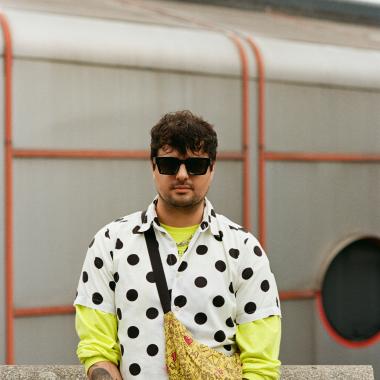
Dominic Akhavan-Moossavi
Lecturer
Dominic is a London-based designer and educator. A graduate of Central Saint Martins, he brings a distinctive, energetic voice to contemporary menswear, blending bold aesthetics with thoughtful commentary on masculinity, emotion, and identity.
Dominic's career spans across design, factory and production management, education and consultancy. His academic journey includes associate lecturing, leading short courses, and international teaching engagements. An Associate Fellow of the Higher Education Academy, Dominic continues to inspire students globally, with regular workshops and mentorship programs.
Dominic’s teaching philosophy is rooted in empowering students to develop their own unique perspectives and is committed to creating an environment where students are supported to take risks, challenge conventions, and cultivate personal authenticity in their work.
A foundation year is where curiosity builds resilience, and innovation grows from exploration and new perspectives.
Course Team
- Dr Rosie Wallin - Senior Lecturer
- Dansoa Koi - Senior Lecturer
- Donna Kernan - Lecturer
- Eugene Reeder - Lecturer
- Dr Hannah Rumball-Croft - Senior Lecturer
- Anne Marie Ng - Lecturer
- Jane Hayward - Lecturer
- Nafisa Abdullaeva - Lecturer
- Tumi Ladega - Lecturer
- Jan Bigg-Wither - Lecturer
- Lauren Loftus - Lecturer
- Jasmine Carey - Lecturer
- Joyce Thornton - Senior Lecturer
- Robert Jones - Lecturer
International Opportunities
Many of our courses offer international study and work experiences, and the University provides other global opportunities that all students can apply for – so whatever you're studying, you'll have the chance to go abroad.
Opportunities could include:
- Taking part in semester or year-long exchanges at institutions around the world
- Attending an international summer school or field trip
- Developing your CV through volunteering or work placements abroad
International experience broadens horizons, boosts self-confidence, and improves global understanding, alongside being fantastic for your career.
Find out more about our international opportunities, including funding options and where you can go.

Why study this course?

London Fashion Week
Our course at Westminster is currently the only undergraduate course in the world that shows a selection of its students on the official London Fashion Week schedule.

Outstanding facilities
You’ll have a dedicated studio with individual design spaces for every student. Each of our design studios is equipped with industrial sewing machines, pattern-cutting tables and mannequins.

Award-winning students
Our student success is recognised in awards. Recent awards include: FENTY design project (2020), Fashion Makes Sense Award (2018), British Fashion Council x Coach Design competition (2017) and many more.
Entry Requirements
- International Baccalaureate – 48 UCAS Tariff points from all components of the Diploma Programme. International Baccalaureate Career-related programme will be considered on a case by case basis.
- BTEC Extended Diploma – PPP
- BTEC Diploma – MP
- UAL Extended Diploma – Merit
- Access – 48 UCAS Tariff points from the Access course
- A levels – DD (48 UCAS Tariff points)
In addition to one of the above, you should have:
- GCSE English Language grade 4/C – IB grade 4 Higher level, GCSE Maths pass – IB pass
If your first language is not English, you will need an IELTS of 6.0 overall with 5.5 in each component.
Selected applicants will be invited to present a portfolio of their work.
Portfolio guidance
To be able to gain an understanding of you as a practitioner and your current breadth and depth of fashion related knowledge, we would like to see edited sample portfolio of recent work.
What should I include in my portfolio submission?
Your edited sample portfolio should not exceed 10 pages and should consist of at least:
- A minimum of three page of fashion related research. (Use your own photographs, sketches, notes, and gathered inspirational images, etc).
- At least three pages of design development from your initial related research. These can be a mix of hand-drawn, collage and computer work. This development work can also include sewn samples, knit, print etc
- At least two pages of your outcome developed from, and in response to, your research and design development above. Demonstrated through photographs of the work, in close-up etc.
- At least one page that demonstrates EITHER your skills in drawing (for example a fashion illustration) OR demonstrates your personal inspirations/skills (outside of your Foundation or BTech project work).
- One page of fashion illustration that shows your skills in drawing while also showing your awareness of contemporary fashion and fashion illustration.
How should I structure my portfolio?
Please prepare a portfolio and save it on a free website such as Flickr, Dropbox, Behance, Issuu, Google or any other portfolio platform. We would like you to copy and paste the portfolio web-link onto a Word document and upload that document to the Applicant Portal, as per instructions on the cover email. Please ensure that we can view the portfolio publicly by simply clicking on the link and that there are no passwords or expiry dates. Please type your full name and reference number on each page. Do not upload the portfolio as a PDF – links only please! Please note that we will not accept portfolios sent by email.
How will my portfolio be evaluated?
Your portfolio will be reviewed by a member of the academic team and some applicants will be invited for interview. We are keen that you use this process to help us to understand you as an individual, including your skills, your inspirations and current expertise. We are keen to see a broad range of your work within the limits of an edited online portfolio.
What happens next?
If you upload your work by the deadline, it will be reviewed by the course tutors, and a decision will be made. Selected applicants will be invited to either an in-person or online 15 minute interview where you can show a full portfolio of your recent work. They will let the admission team know and they will contact you directly.
Top tip from our course team
Check out the Westminster fashion Instagram to see images of current students work and https://degree-shows.westminster.ac.uk to see recent graduates work.
Please do not send in portfolios until requested to do so by the University's Admissions team. You will be notified by email about when to submit your portfolio.
- International Baccalaureate – 48 UCAS Tariff points from all components of the Diploma Programme. International Baccalaureate Career-related programme will be considered on a case by case basis.
- BTEC Extended Diploma – PPP
- BTEC Diploma – MP
- UAL Extended Diploma – Merit
- Access – 48 UCAS Tariff points from the Access course
- A levels – DD (48 UCAS Tariff points)
In addition to one of the above, you should have:
- GCSE English Language grade 4/C – IB grade 4 Higher level, GCSE Maths pass – IB pass
Selected applicants will be invited to present a portfolio of their work.
International Foundation courses
We work in partnership with Kaplan International College London who provide the International Foundation Certificate at their College based in London Bridge. These courses are for students who don’t meet our direct entry requirements. Upon successful completion, you can progress to your chosen degree at the University of Westminster. Find out more about the different university preparation courses that are accepted for entry.
English language requirements
If your first language is not English, you will need an IELTS of 6.0 overall with 5.5 in each component. Please note we accept a wide range of English language qualifications and assessments. Find out more at English language requirements.
If you don't meet the English language requirements yet, then we offer online and on campus pre-sessional English programmes to help develop your English language skills to the required level before you start your course. Find out more about our pre-sessional English programmes.
More information
Portfolio guidance
To be able to gain an understanding of you as a practitioner and your current breadth and depth of fashion related knowledge, we would like to see edited sample portfolio of recent work.
What should I include in my portfolio submission?
Your edited sample portfolio should not exceed 10 pages and should consist of at least:
- A minimum of three page of fashion related research. (Use your own photographs, sketches, notes, and gathered inspirational images, etc).
- At least three pages of design development from your initial related research. These can be a mix of hand-drawn, collage and computer work. This development work can also include sewn samples, knit, print etc
- At least two pages of your outcome developed from, and in response to, your research and design development above. Demonstrated through photographs of the work, in close-up etc.
- At least one page that demonstrates EITHER your skills in drawing (for example a fashion illustration) OR demonstrates your personal inspirations/skills (outside of your Foundation or BTech project work).
- One page of fashion illustration that shows your skills in drawing while also showing your awareness of contemporary fashion and fashion illustration.
How should I structure my portfolio?
Please prepare a portfolio and save it on a free website such as Flickr, Dropbox, Behance, Issuu, Google or any other portfolio platform. We would like you to copy and paste the portfolio web-link onto a Word document and upload that document to the Applicant Portal, as per instructions on the cover email. Please ensure that we can view the portfolio publicly by simply clicking on the link and that there are no passwords or expiry dates. Please type your full name and reference number on each page. Do not upload the portfolio as a PDF – links only please! Please note that we will not accept portfolios sent by email.
How will my portfolio be evaluated?
Your portfolio will be reviewed by a member of the academic team and some applicants will be invited for interview. We are keen that you use this process to help us to understand you as an individual, including your skills, your inspirations and current expertise. We are keen to see a broad range of your work within the limits of an edited online portfolio.
What happens next?
If you upload your work by the deadline, it will be reviewed by the course tutors, and a decision will be made. Selected applicants will be invited to either an in-person or online 15 minute interview where you can show a full portfolio of your recent work. They will let the admission team know and they will contact you directly.
Top tip from our course team
Check out the Westminster fashion Instagram to see images of current students work and https://degree-shows.westminster.ac.uk to see recent graduates work.
Please do not send in portfolios until requested to do so by the University's Admissions team. You will be notified by email about when to submit your portfolio.
- International Baccalaureate – 48 UCAS Tariff points from all components of the Diploma Programme. International Baccalaureate Career-related programme will be considered on a case by case basis.
- BTEC Extended Diploma – PPP
- BTEC Diploma – MP
- UAL Extended Diploma – Merit
- Access – 48 UCAS Tariff points from the Access course
- A levels – DD (48 UCAS Tariff points)
In addition to one of the above, you should have:
- GCSE English Language grade 4/C – IB grade 4 Higher level, GCSE Maths pass – IB pass
If your first language is not English, you will need an IELTS of 6.0 overall with 5.5 in each component.
Selected applicants will be invited to present a portfolio of their work.
Portfolio guidance
To be able to gain an understanding of you as a practitioner and your current breadth and depth of fashion related knowledge, we would like to see edited sample portfolio of recent work.
What should I include in my portfolio submission?
Your edited sample portfolio should not exceed 10 pages and should consist of at least:
- A minimum of three page of fashion related research. (Use your own photographs, sketches, notes, and gathered inspirational images, etc).
- At least three pages of design development from your initial related research. These can be a mix of hand-drawn, collage and computer work. This development work can also include sewn samples, knit, print etc
- At least two pages of your outcome developed from, and in response to, your research and design development above. Demonstrated through photographs of the work, in close-up etc.
- At least one page that demonstrates EITHER your skills in drawing (for example a fashion illustration) OR demonstrates your personal inspirations/skills (outside of your Foundation or BTech project work).
- One page of fashion illustration that shows your skills in drawing while also showing your awareness of contemporary fashion and fashion illustration.
How should I structure my portfolio?
Please prepare a portfolio and save it on a free website such as Flickr, Dropbox, Behance, Issuu, Google or any other portfolio platform. We would like you to copy and paste the portfolio web-link onto a Word document and upload that document to the Applicant Portal, as per instructions on the cover email. Please ensure that we can view the portfolio publicly by simply clicking on the link and that there are no passwords or expiry dates. Please type your full name and reference number on each page. Do not upload the portfolio as a PDF – links only please! Please note that we will not accept portfolios sent by email.
How will my portfolio be evaluated?
Your portfolio will be reviewed by a member of the academic team and some applicants will be invited for interview. We are keen that you use this process to help us to understand you as an individual, including your skills, your inspirations and current expertise. We are keen to see a broad range of your work within the limits of an edited online portfolio.
What happens next?
If you upload your work by the deadline, it will be reviewed by the course tutors, and a decision will be made. Selected applicants will be invited to either an in-person or online 15 minute interview where you can show a full portfolio of your recent work. They will let the admission team know and they will contact you directly.
Top tip from our course team
Check out the Westminster fashion Instagram to see images of current students work and https://degree-shows.westminster.ac.uk to see recent graduates work.
Please do not send in portfolios until requested to do so by the University's Admissions team. You will be notified by email about when to submit your portfolio.
- International Baccalaureate – 48 UCAS Tariff points from all components of the Diploma Programme. International Baccalaureate Career-related programme will be considered on a case by case basis.
- BTEC Extended Diploma – PPP
- BTEC Diploma – MP
- UAL Extended Diploma – Merit
- Access – 48 UCAS Tariff points from the Access course
- A levels – DD (48 UCAS Tariff points)
In addition to one of the above, you should have:
- GCSE English Language grade 4/C – IB grade 4 Higher level, GCSE Maths pass – IB pass
Selected applicants will be invited to present a portfolio of their work.
International Foundation courses
We work in partnership with Kaplan International College London who provide the International Foundation Certificate at their College based in London Bridge. These courses are for students who don’t meet our direct entry requirements. Upon successful completion, you can progress to your chosen degree at the University of Westminster. Find out more about the different university preparation courses that are accepted for entry.
English language requirements
If your first language is not English, you will need an IELTS of 6.0 overall with 5.5 in each component. Please note we accept a wide range of English language qualifications and assessments. Find out more at English language requirements.
If you don't meet the English language requirements yet, then we offer online and on campus pre-sessional English programmes to help develop your English language skills to the required level before you start your course. Find out more about our pre-sessional English programmes.
More information
Portfolio guidance
To be able to gain an understanding of you as a practitioner and your current breadth and depth of fashion related knowledge, we would like to see edited sample portfolio of recent work.
What should I include in my portfolio submission?
Your edited sample portfolio should not exceed 10 pages and should consist of at least:
- A minimum of three page of fashion related research. (Use your own photographs, sketches, notes, and gathered inspirational images, etc).
- At least three pages of design development from your initial related research. These can be a mix of hand-drawn, collage and computer work. This development work can also include sewn samples, knit, print etc
- At least two pages of your outcome developed from, and in response to, your research and design development above. Demonstrated through photographs of the work, in close-up etc.
- At least one page that demonstrates EITHER your skills in drawing (for example a fashion illustration) OR demonstrates your personal inspirations/skills (outside of your Foundation or BTech project work).
- One page of fashion illustration that shows your skills in drawing while also showing your awareness of contemporary fashion and fashion illustration.
How should I structure my portfolio?
Please prepare a portfolio and save it on a free website such as Flickr, Dropbox, Behance, Issuu, Google or any other portfolio platform. We would like you to copy and paste the portfolio web-link onto a Word document and upload that document to the Applicant Portal, as per instructions on the cover email. Please ensure that we can view the portfolio publicly by simply clicking on the link and that there are no passwords or expiry dates. Please type your full name and reference number on each page. Do not upload the portfolio as a PDF – links only please! Please note that we will not accept portfolios sent by email.
How will my portfolio be evaluated?
Your portfolio will be reviewed by a member of the academic team and some applicants will be invited for interview. We are keen that you use this process to help us to understand you as an individual, including your skills, your inspirations and current expertise. We are keen to see a broad range of your work within the limits of an edited online portfolio.
What happens next?
If you upload your work by the deadline, it will be reviewed by the course tutors, and a decision will be made. Selected applicants will be invited to either an in-person or online 15 minute interview where you can show a full portfolio of your recent work. They will let the admission team know and they will contact you directly.
Top tip from our course team
Check out the Westminster fashion Instagram to see images of current students work and https://degree-shows.westminster.ac.uk to see recent graduates work.
Please do not send in portfolios until requested to do so by the University's Admissions team. You will be notified by email about when to submit your portfolio.
ALUMNI

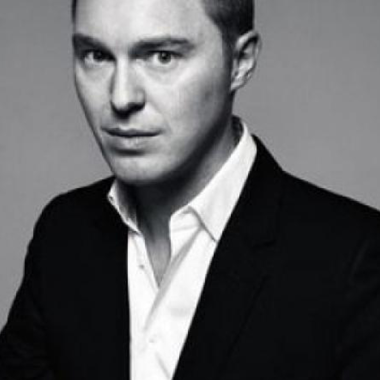
Stuart Vevers
Fashion Design BA - 1996
Creative Director, Coach

ALUMNI

Liam Hodges
Fashion Design BA - 2011
Creative Director, Menswear Designer at Liam Hodges

Katie Hillier
Fashion Design BA - 1997
Creative Director, Hillier Bartley
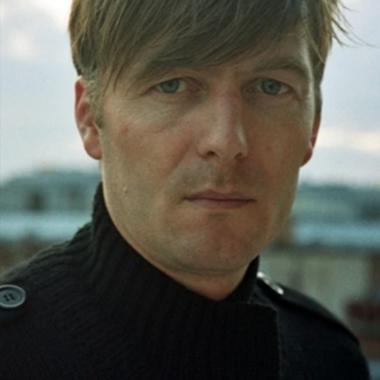
Markus Lupfer
Fashion Design BA - 1997
Designer, London Fashion Week
Students
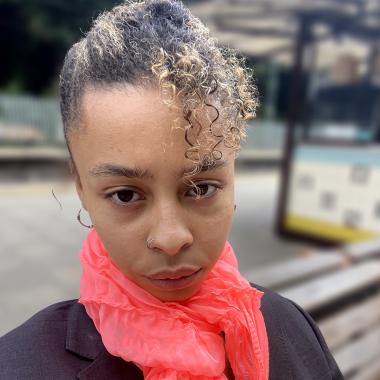
Mathilda Schira
Fashion Design BA - 2027
The chance to explore and experiment with different resources is incredibly liberating. As a creative thinker, being able to bring my ideas to life through embroidery, print, or sewing provides the perfect outlet for my imagination.
Paris showroom
In May 2019 the Fashion Design BA graduates held their first Paris showroom presenting their A/W19 collections, S/S20 precollections and their final design portfolios.
Held over three days in Espace Commines, in the fashionable Marais district of Paris, the event enabled graduates and staff to meet designers and recruiters from the world's most prestigious fashion brands. While some of the collections had debuted earlier in the year at our on-schedule London Fashion Week show in February, this was a chance for all of the Fashion Design BA graduates to show their collections and portfolios to an invited VIP audience of buyers, designers and senior fashion recruiters.
Companies who came along to see the graduates’ collections included: Alexander McQueen, Balenciaga, Balmain, Calvin Klein, Christian Louboutin, Citizen K, Courrèges, Desigual, Dior, Eyes on Talent, FENTY, Givenchy, Karl Lagerfeld, Kenzo, Koche, Lanvin, Loewe, Louis Vuitton, LVMH, M.O Conseil, Maison Margiela, Marine Serre, Numero, Purple, PVH, Saint Laurent, Tommy Hilfiger, Vogue, Woolmark, and Y Project.

Westminster Degree Shows
The Westminster Degree Shows are an annual collection that showcases the creativity, vibrancy and artistic talent of our undergraduate arts courses. You can see the latest online collection on Westminster Degree Shows.
Image: student work by Nathan Hunter – Illustration BA

Facilities
Our fashion facilities at Westminster are acknowledged as being outstanding, with each cohort having their own dedicated studio to work in, equipped with individual design spaces for every student. Each of our design studios is equipped with industrial sewing machines, pattern cutting tables and mannequins.


Follow us on Instagram
Westminster Menswear Archive
The Westminster Menswear Archive has examples of some of the most important and exciting menswear garments covering the last 100 years. The archive includes garments from Alexander McQueen, Craig Green, Stone Island, Ralph Lauren, Tommy Nutter, Liam Hodges, Carol Christian Poell, C.P. Company, Jean Paul Gaultier, Calvin Klein, Meadham Kirchhoff, Kim Jones, Aitor Throup, Vivienne Westwood, Mr Fish, Irvine Sellars, Umbro, MA.Strum, adidas, Nanamica, Belstaff, Barbour, Burberry, Maison Margiela, Jeremy Scott, Vexed Generation, Aquascutum, Levis, Jeremy Scott, Berghaus, Penfield, Griffin, and Comme Des Garcons.
Additionally, the archive includes an extensive range of utilitarian and uniform garments from the Army, Police, US Marines, GPO, Coldstream Guards, French fire service and others.

Student Awards
Students are encouraged to enter competitions while at Westminster, as part of their course work or as standalone projects. Recent competition winners are listed below.

Renee Shanel Edwards Final Collection Photo credit London Eye Production House LTD

Konthorn Wutthiwongangkhana Wins Arts Thread's Award for Casual Streetwear Fashion

Steven Stokey Daley with Queen Elizabeth II Award
2024
- Reneé Shanel Edwards, Aliyah Dankwah, Reuben Harris and James Rowland receive the BFC Scholarship Award
- Alumnus Paolo Carzana is a finalist for the LVMH Prize
- Reneé Shanel Edwards receives The Vanguard Education Fund in partnership with Net-A-Porter and the British Fashion Council
- Alumnus Steven Stokey Daley wins Queens Elizabeth II Award for Excellence in British Design
- Konthorn Wuttiwangangkhana wins Arts Thread’s Global Creative Graduate Showcase award in Casual/Streetwear Fashion

2020
- Jordan Ellison wins the FENTY design project.
- Dominic Huckbody wins British Fashion Council BA Scholarship Award
- Min Lee wins British Fashion Council BA Scholarship Award
- Hannah Sosna and Lottie Everett win the Epson Award for fashion print
2019
- Georgia Fallon is selected for Teen Vogue's Gen Next and shoes at New York Fashion Week
- Tumi Ladega wins the Anne Tyrrell Student Design Award
- Ieva Melece-Hall is selected for the CFDA+ Fashion Future Graduate Showcase
- Manimekala Fuller is selected for the CFDA+ Fashion Future Graduate Showcase
2018
- Paolo Carzana wins the Fashion Makes Sense Award
- Joshua Crabtree wins the BFC MA Scholarship Award
- Paolo Carzana wins the BFC MA Scholarship Award
- Melissa Eakins wins the BFC Final Year Scholarship Award
Learn new skills

Learn a new language
From Arabic to Spanish, you can learn a new language alongside your degree with our Polylang programme.

Develop your entrepreneurial skills
Access industry networking events, workshops, one-to-one business advice and start-up support through our award-winning WeNetwork.
Gain extra qualifications
We provide access to free online courses in Adobe and Microsoft Office applications, as well as thousands of specialist courses on LinkedIn Learning.
Fees and Funding
UK tuition fee: £9,790 (Price per academic year)
UK tuition fee: £9,535 (Price per academic year)
Please note that if you defer your place, the first year’s tuition fees will be those of the academic year in which you enrol, which may be higher than the fee shown for this year.
Fees are subject to UK Government Parliamentary procedure.
Find out how we set our tuition fees.
Funding
As well as tuition fee loans, there is a range of funding available to help you fund your studies.
Find out about undergraduate student funding options.
Scholarships
The University is dedicated to supporting ambitious and outstanding students and we offer a variety of scholarships to eligible undergraduate students, which cover all or part of your tuition fees.
Find out if you qualify for one of our scholarships.
Additional costs
Whilst some basics are provided by the course, students will be required to purchase their own pattern cutting equipment and materials.
See what you may need to pay for separately and what your tuition fees cover.
International tuition fee: £17,600 (Price per academic year)
International tuition fee: £17,600 (Price per academic year)
When you have enrolled with us, your annual tuition fees will remain the same throughout your studies with us. We do not increase International tuition fees.
Please note that if you defer your place, the first year’s tuition fees will be those of the academic year in which you enrol, which may be higher than the fee shown for this year.
Find out how we set our tuition fees.
EU Qualifications Welcome Award Scheme
If you are an international student accepted on an undergraduate programme starting in September 2024 or September 2025 at level 3 (Foundation) or level 4 (first year) on the basis of an eligible EU qualification only, you will be awarded a tuition fee reduction which will align your fee more closely to the one for UK students. For more information, see the EU Qualifications Welcome Award Scheme.
International student funding
Find out about funding for international students.
Additional costs
Whilst some basics are provided by the course, students will be required to purchase their own pattern cutting equipment and materials.
See what you may need to pay for separately and what your tuition fees cover.
UK tuition fee: £9,790 (Price per academic year)
UK tuition fee: £9,535 (Price per academic year)
Please note that if you defer your place, the first year’s tuition fees will be those of the academic year in which you enrol, which may be higher than the fee shown for this year.
Fees are subject to UK Government Parliamentary procedure.
Find out how we set our tuition fees.
Funding
As well as tuition fee loans, there is a range of funding available to help you fund your studies.
Find out about undergraduate student funding options.
Scholarships
The University is dedicated to supporting ambitious and outstanding students and we offer a variety of scholarships to eligible undergraduate students, which cover all or part of your tuition fees.
Find out if you qualify for one of our scholarships.
Additional costs
Whilst some basics are provided by the course, students will be required to purchase their own pattern cutting equipment and materials.
See what you may need to pay for separately and what your tuition fees cover.
International tuition fee: £17,600 (Price per academic year)
International tuition fee: £17,600 (Price per academic year)
When you have enrolled with us, your annual tuition fees will remain the same throughout your studies with us. We do not increase International tuition fees.
Please note that if you defer your place, the first year’s tuition fees will be those of the academic year in which you enrol, which may be higher than the fee shown for this year.
Find out how we set our tuition fees.
EU Qualifications Welcome Award Scheme
If you are an international student accepted on an undergraduate programme starting in September 2024 or September 2025 at level 3 (Foundation) or level 4 (first year) on the basis of an eligible EU qualification only, you will be awarded a tuition fee reduction which will align your fee more closely to the one for UK students. For more information, see the EU Qualifications Welcome Award Scheme.
International student funding
Find out about funding for international students.
Additional costs
Whilst some basics are provided by the course, students will be required to purchase their own pattern cutting equipment and materials.
See what you may need to pay for separately and what your tuition fees cover.
We Are Westminster Blog
Read our blog to get an insight into student life and studying at the University of Westminster.
Teaching and Assessment
Below you will find how learning time and assessment types are distributed on this course. The graphs below give an indication of what you can expect through approximate percentages, taken either from the experience of previous cohorts, or based on the standard module diet where historic course data is unavailable. Changes to the division of learning time and assessment may be made in response to feedback and in accordance with our terms and conditions.
How you'll be taught
Teaching methods across all our undergraduate courses focus on active student learning through lectures, seminars, workshops, problem-based and blended learning, and where appropriate practical application. Learning typically falls into three broad categories:
- Scheduled hours: examples include lectures, seminars, practical classes, workshops, supervised time in a studio
- Placement: placement hours normally include placement opportunities, but may also include live projects or virtual activity involving employers
- Independent study: non-scheduled time in which students are expected to study independently. This may include preparation for scheduled sessions, follow-up work, wider reading or practice, completion of assessment tasks, or revision
How you'll be assessed
Our undergraduate courses include a wide variety of assessments.
Assessments typically fall into two broad categories:
- Practical: examples include presentations, videos, podcasts, lab work, creating artefacts
- Coursework: examples include essays, reports, in-class tests, portfolios, dissertation
Data from the academic year 2025/26
Supporting you
We are ranked first in London for student support (Whatuni Student Choice Awards 2026).
Our Student Hub is where you’ll find out about the services and support we offer, helping you get the best out of your time with us.
- Study support – workshops, 1-2-1 support and online resources to help improve your academic and research skills
- Personal tutors – support you in fulfilling your academic and personal potential
- Student advice team – provide specialist advice on a range of issues including funding, benefits and visas
- Extra-curricular activities – volunteering opportunities, sports and fitness activities, student events and more

Course Location
Harrow is our creative and cultural hub, home to most of our arts, media and digital courses. It houses state-of-the-art facilities for every discipline, including project and gallery spaces, film studios, creative labs, collaborative learning spaces, and the Westminster Enterprise Network.
Harrow Campus is based in north-west London, just 20 minutes from the city centre by train.
For more details, visit our Harrow Campus page.
This course is based at our Harrow Campus, but to make the most of our teaching spaces and wider learning opportunities, some modules or activities may take place at our central London campuses. These may include guest lectures, degree shows or other teaching activities.


CHANGES TO OUR COURSES
All content on our course pages is accurate at time of publication.
Where significant or material changes have been made, applicants will be informed of these in line with Competition and Markets Authority guidance.
Contact us
Call our dedicated team on:
+44 (0)20 7911 5000 ext 65511
Opening hours (GMT): 10am–4pm Monday to Friday
Opening hours (GMT): 10am–4pm Monday to Friday
More information
Your Westminster
Book an open day. Order a prospectus. Sign up for newsletters.