The University of Westminster’s urban sustainability project the Cavendish Living Lab has launched its own YouTube channel with the premiere of a student-produced documentary exploring how cooking with familiar ingredients and recipes can inspire sustainable choices and create meaningful community connections.
The Cavendish Living Lab is open to all Westminster students and uses the University campus as its very own laboratory. It is an ecosystem where students can bring in their distinctive ideas and work collaboratively with their peers, academics and various other stakeholders to address real word issues such as food waste, plastic waste and wastewater with innovation and creativity.
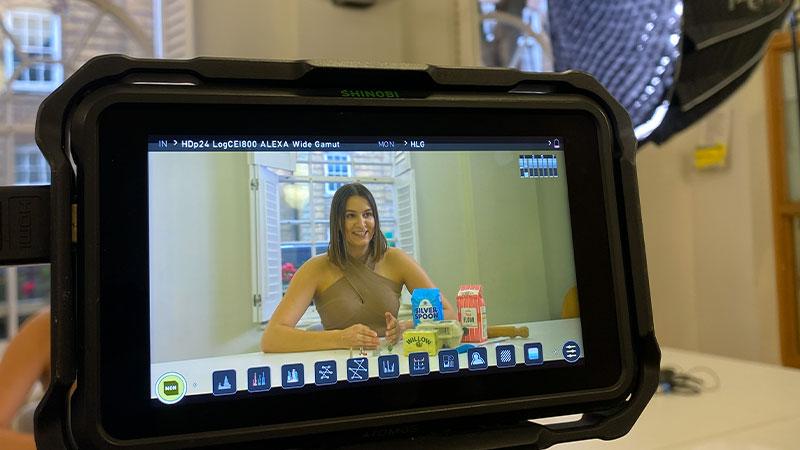
Created by students from the Food and Communities strand of the Cavendish Living Lab in collaboration with peers from the Documentary Filmmakers strand, the film Roots and Recipes draws on the lived experiences of those who have moved to London to study. The film was launched on 10 December for Slow Food’s global day of celebration and action.
To bring the documentary together, the team reached out to their fellow students to find dishes tied to family memories and the small rituals that keep them grounded and happy while living far from home. Through these personal stories and shared meals, the documentary showcases the diversity and international nature of the Westminster community and highlights the universal power of food to create a sense of belonging.
The new YouTube channel will be managed by members of the student team, Laima Tokhi, who is currently working on her PhD in Pharmacology, Toxicology and Pharmacy, and Shrusti Sivakumar, Investment and Risk Finance MSc student.

Alongside the film, the Cavendish Living Lab has also published a new recipe book, which celebrates food, culture, sustainability and social responsibility. The book brings together cherished dishes and culinary traditions from across the University, reflecting the emotional significance food holds for students and the communities they engaged with.
Mariam Selim, Community Connector and PhD Researcher in Media Studies, said: “Gathering these stories made the project deeply personal as every recipe carried someone’s sense of belonging. We worked to bring these experiences together and shape them into a recipe book that reflects both the research and the emotional weight behind each contribution. The whole process felt like sitting around a shared table, listening, learning and seeing how food connects people while encouraging more mindful, sustainable habits.”
Final year Film BA Honours student Peggy Riga, who served as the documentary’s cinematographer and editor, added: “Our documentary explores feelings of homesickness and the ways food helps maintain a connection to home. Our participants generously shared cherished memories with their families and cultural traditions, highlighting the importance of cooking together and preparing food for loved ones.
“As the documentary’s cinematographer and editor, I aimed to capture and convey the warmth of home and the richness of cultural identity through the images, handwritten graphics, music and overall editing of the footage. I’m deeply grateful to have worked alongside such a supportive team: our project managers, Dr Linda Percy and Dr Pooja Basnett, our community connectors, Mariam and Sahara, and my filmmaking partner, Boyan.”
Dr Linda Percy, Co-course Leader for the University’s Biological Sciences BSc Honours course, added: “We are very proud of what our students have created. Through the process of researching, filming and sharing stories, they have further developed their practical skills in collaboration and creative production and deepened their understanding of sustainability and the power of food to unite communities. Together, these initiatives reflect our commitment to education, creativity and sustainability. We would like to thank the Quintin Hogg Trust for their generous sponsorship and also extend our appreciation to the EDI team, especially Rajat Shah and Professor Dibyesh Anand, for their essential support of our project."
This documentary directly contributes to the United Nations Sustainable Development Goal (SDG) 3: Good Health and Wellbeing. Since 2019, the University of Westminster has used the SDGs holistically to frame strategic decisions to help students and colleagues fulfil their potential and contribute to a more sustainable, equitable and healthier society.
Find out more about the Cavendish Living Lab at the University of Westminster.
Related articles


