Research by Dr Rotem Perach and his team from the University of Westminster has suggested that if another pandemic were to occur, people may be willing to wear facemasks again as a way to support community spirit and care for others.
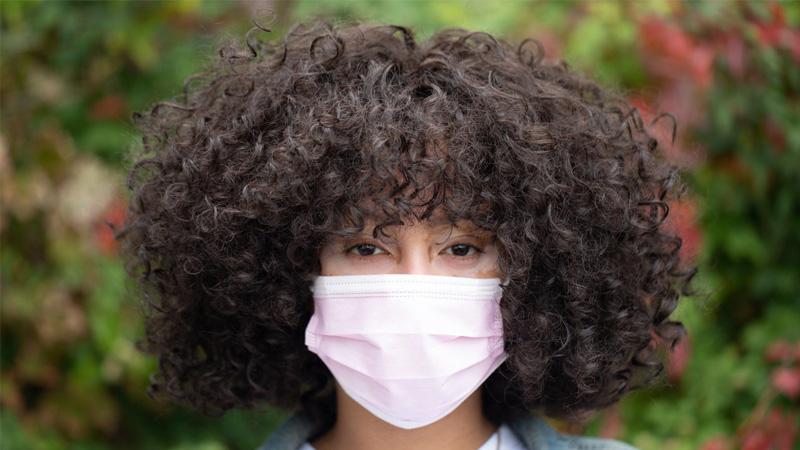
In a paper published in the European Review of Applied Psychology, Dr Perach, Applied Social and Health Psychology Researcher, and his team analysed people’s memories from the Covid-19 lockdown, collected between March and April 2021, nine months after facemask mandates had been introduced in the UK.
Of 663 participants who were prompted to recall any memory of a lockdown-related event and item, 68 participants, 85% UK residents, spontaneously reported facemask-related memories. These memories were then analysed to explore the values, beliefs, emotions and behaviours people have towards wearing facemasks.
People’s memories of facemasks were rich, detailed and very personal, meaning different things to different people. Many participants described facemask wearing in moral or social terms, seeing facemasks as protective, a way of caring for others and a practice worth following and supporting.
People’s facemask memories showed that people cared about doing the right thing, seeing themselves as rule keepers and scolding others who did not follow the guidance. At the same time, people also related them to a sense of loss, sadness and disconnection from others. Although the responses were not always positive, most people remembered accepting facemask wearing and adjusting their everyday behaviour to follow the rules.
These findings point to important lessons for future outbreaks, specifically concerning people’s willingness to adhere to health guidance. Facemask wearing can involve discomfort and a sense of loss of human connection, and yet, the current analysis of facemask memories overall showed that people were willing to follow public health guidance and make it part of daily life. People’s memories showed adaptability and psychological resilience, especially when protective behaviours were experienced as meaningful on a social and moral level.
Overall, these findings suggest that in times of health crisis, people can find meaning in the uptake of protective behaviours when these are seen to support a sense of community, care for others and social responsibility.
The Westminster team is made up of Dr Perach along with Dr Kyoko Murakami and Professor Catherine Loveday. They were also joined by Research Intern Franziska Busch who helped present the study.
Dr Perach said: "Understanding how people remember living with facemasks during lockdown can tell us a lot about the capacity of communities in the UK to respond to crisis. Can we rely on the spirit of 'keep calm and carry on' in the next pandemic? Our study introduces memories as a source of implicit knowledge that can support pandemic preparedness, overall showing the potential for adaptability and resilience in the public in the face of mandated facemask wearing."
This research directly contributes to the United Nations Sustainable Development Goal (SDG) 3: Good Health and Wellbeing. Since 2019, the University of Westminster has used the SDGs holistically to frame strategic decisions to help students and colleagues fulfil their potential and contribute to a more sustainable, equitable and healthier society.
Read the full article.
Find out more about Psychology courses at the University of Westminster.
Related articles


