PhD students Ukrit Sa-Nguanhai, Thuy-Han Nguyen Chi and Hope Strickland from the University of Westminster's Centre for Research and Education in Arts and Media (CREAM) showcased their work in the Students’ Experimental Cinema section at the Emami Art Experimental Film Festival (EAEFF) in Kolkata, India.
Held between 22-27 September, the fifth edition was the festival's most expansive programme to date, bringing together filmmakers, artists, curators, scholars and audiences through screenings, exhibitions, workshops, masterclasses and public conversations.
The Westminster team shared their short films at the exhibition through a screening titled Moving Image as Research which was curated by Dr Ozlem Koksal, PhD Coordinator at the School of Arts.
Ukrit's film, Trip After, revisits locations in northeast Thailand where the United States Information Service (USIS) mobile film units screened propaganda films in the 1960s as part of a psychological operation. Inspired by the units' field trip reports, the film follows a journey back to the sites of these screenings and the filming of The Community Development Worker (1958), exploring how traces of these events remain to this day. Blending travel writing, history and speculation, Trip After reflects on how the past is remembered, reconstructed and sometimes imagined.
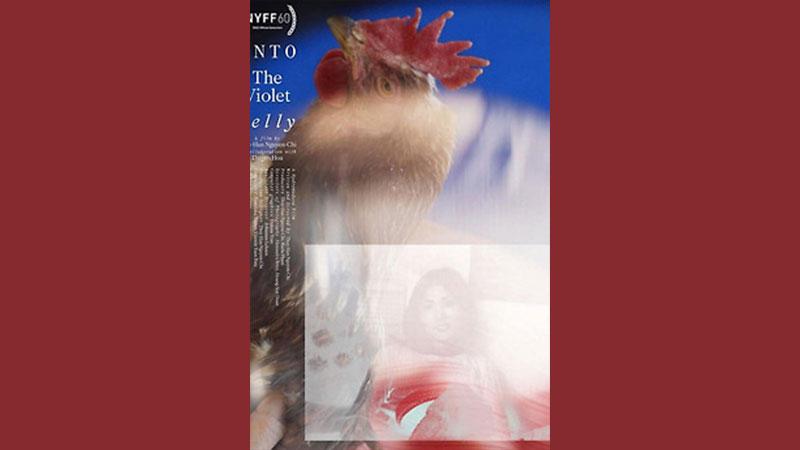
Thuy-Han's film, Into the Violet Belly, blends family history, mythology, science fiction and experimental visuals to trace her mother's escape from Vietnam via the sea. Moving between different voices, timescales and visual worlds, the film explores migration, memory and survival through a vast digital landscape of drifting bodies.
Finally, Hope Strickland's film, A River Holds A Perfect Memory, explores the connections between water, memory and labour across Jamaica and Northern England. Moving between scenes of rivers and lagoons in Jamaica and archival footage of industrial development in the UK, the film traces the lasting impact of the Industrial Revolution and labour migration on distant communities. Combining a range of materials, the film reflects on how histories of work, movement and environmental change are carried through water across time and place.
Dr Koksal said: "CREAM is home to a diverse range of cutting-edge research in the UK. The selected works are representative of the exceptional research CREAM's PhD students engage in and showcase the Centre’s long history of producing de-westernised, decolonial research.
"The three moving image works, while looking at different national, geographical and historical contexts and working with a separate set of research questions, echo the same question: how do we respond to or speak of colonial reverberations? Gently and eloquently, they ask questions about archives, what is in and is not in those archives and how they are narrated. Each film selected for this screening, much like the majority of research at CREAM, is a small rebellion against established stories and the ways in which those stories are told."
The students' work directly contributes to the United Nations Sustainable Development Goals (SDG) 4: Quality Education and 10: Reduced Inequalities. Since 2019, the University of Westminster has used the SDGs holistically to frame strategic decisions to help students and colleagues fulfil their potential and contribute to a more sustainable, equitable and healthier society.
Find out more about the University of Westminster's Centre for Research and Education in Arts and Media.


Related articles


