The University of Westminster brought together researchers, academics, professional services colleagues and students for its Research Culture Symposium 2026. Focusing on the theme of Research is for Everyone, the event explored how to create a more inclusive research environment and ensure everyone has the opportunity to contribute.
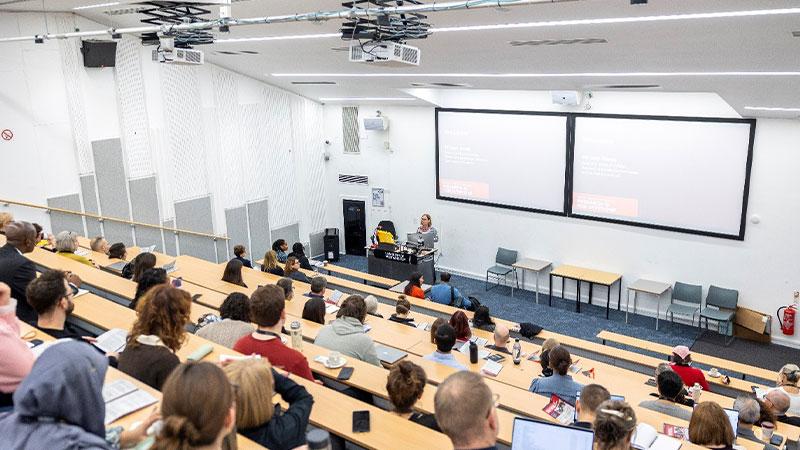
The event took place on 29 October at the University’s Cavendish Campus and was opened by Professor Miriam Dwek, Associate Head of the College of Liberal Arts and Sciences. The symposium featured presentations, discussions and breakout sessions examining the barriers people face when getting involved in research, and what universities can do to create a culture where research can thrive.
The first presentation by Marcia Wilson, Pro Vice-Chancellor of Education and Student Experience at Birmingham City University, highlighted the inequalities that continue to affect access to research, particularly for Black researchers. She emphasised that an inclusive research culture cannot exist without an inclusive university culture, where people are heard, recognised and given opportunities to progress. To tackle this, she outlined practical ways to make research more accessible, including improving access to funding and mentoring, supporting diverse representation on research and editorial panels, and creating opportunities for all colleagues to participate in research.
The symposium also considered the important contribution made by professional services colleagues to the University's research activity and explored how research technicians, research managers and other professional colleagues help research happen, and why their contributions should be more widely recognised. Other sessions focused on how the University works with communities; inclusive research practices; students as researchers; and helping academics reignite their research interests. Discussions explored the challenges people can face at different stages of their careers, including returning to research after maternity leave, balancing caring responsibilities and finding the confidence and time to pursue new research opportunities.

Photo: Left to right (Chairs): Comfort Moye (Student Research Manager), Muriel Swijghuisen Reigersberg (Head of RKEO), Tom Nadarzynski (Health and Innovation and Wellbeing Community Lead) feeding back on their breakout sessions during the plenary
In the second plenary, Professor Dibyesh Anand, Interim Vice-Chancellor and President at the University, reflected on the relationship between research excellence, curiosity and equity. He highlighted the importance of protecting academic freedom, being open to, and welcoming, different perspectives; and recognising the value of research alongside teaching and knowledge exchange. He emphasised that diversity and inclusion strengthen research excellence, rather than diminish it, and that universities should create an environment where people feel able to challenge ideas and learn from one another.
Closing the symposium, Professor Andrew Linn, Deputy Vice-Chancellor in Research and Knowledge Exchange, celebrated the breadth of research taking place across the University. He reinforced that "Research is for Everyone” is more than a slogan; it is part of the University's strategy and commitment to creating a research culture in which everyone can play a meaningful role.
Professor Linn said: “At Westminster our commitment is that Research is for Everyone. This doesn’t mean everyone is a researcher, but that our culture of research improves the lives of all our community and communities beyond the University in a myriad of ways. This year’s annual Research Culture Symposium was both a celebration of that commitment and a chance to have an open and honest discussion about what and where we can do better. It was a wonderful day bringing together our whole community with visitors from elsewhere, but our work to create and sustain the best possible research culture goes on every day.”
Professor Dwek added: “I would like to thank all who attended and contributed to and in particular our colleagues in the Research and Knowledge Exchange Office, The Research Environment and Scholarly Comms Team, and colleagues in People Culture and Wellbeing for kindly volunteering on the day; as well as all the speakers and contributors who helped make the day such a success."
This event directly contributes to the United Nations Sustainable Development Goals (SDG) 4: Quality Education and 10: Reduced Inequalities. Since 2019, the University of Westminster has used the SDGs holistically to frame strategic decisions to help students and colleagues fulfil their potential and contribute to a more sustainable, equitable and healthier society.
Find out more about research at the University of Westminster.

Professor Miriam Dwek

Professor Andrew Linn

Professor Dibyesh Anand

Professor Marcia Wilson

Related articles


