A new student journalism project at the University of Westminster has secured over £20,000 in British Council funding to support an online exchange programme, exploring the experiences of marginalised communities in the UK and Brazil and bringing their stories to wider audiences.
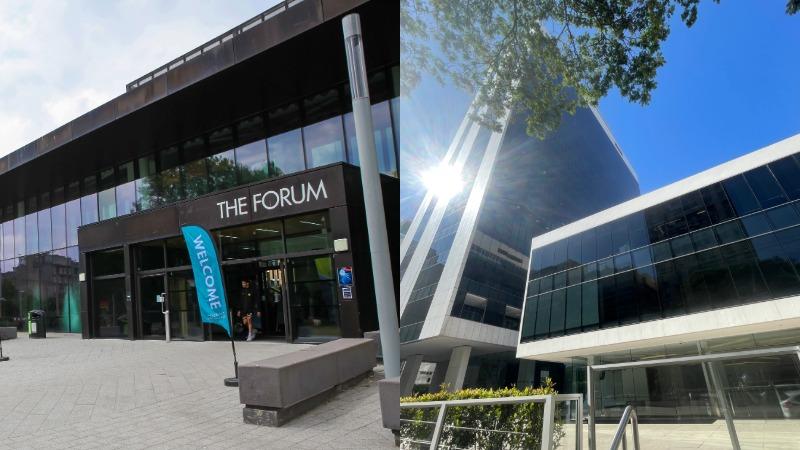
The project, Marginalised Voices and Digital Democracy, will connect students from Westminster and Fundação Getulio Vargas (FGV), a leading higher education and research institution in Rio de Janeiro, Brazil, to investigate inequality and explore stories that are often overlooked by mainstream news media. The funding was secured through a competitive application to the British Council’s Going Global Partnerships Transnational Education Exploratory Grants fund.
Launching in January 2027, the project will combine the University of Westminster’s expertise in journalism that explores issues of public importance and amplifies the voices of marginalised communities with FGV’s expertise in digital communication, misinformation and democratic participation.
At the heart of the project is a six-week online learning exchange, during which students in London and Rio de Janeiro will compare experiences, question assumptions and develop stories together. Workshops on investigative reporting, misinformation and ethical representation will help students build contributors' trust, verify information and report responsibly.
Students will produce podcasts, data visualisations and other multimedia stories, and selected projects will be shared through a public online showcase, giving wider audiences the opportunity to engage with their reporting.
To help shape the teaching and reporting activities, academics from each institution will travel between London and Rio de Janeiro to meet journalists, community groups and local organisations. These visits will help them understand the issues facing communities whose experiences are often underrepresented in the media. The project will give students the opportunity to explore how journalism can contribute to a more inclusive and well-informed society.
Dr Doug Specht, Head of the Westminster School of Media and Communication, said: “We live in a world in which almost everyone has the means to tell their story, yet the same ideas and voices still dominate. This new project will equip tomorrow’s journalists with the tools and skills to invite all of us to hear from those who are too often ignored.”
Jim Grice, Senior Lecturer at Westminster School of Media and Communication said: “We are excited to be collaborating with FGV on this timely project. Working with students and colleagues from Brazil offers a great opportunity to share information, gain new perspectives and learn from each other. This will help us get a clearer picture of the challenges many communities face in getting their stories heard and why that might be happening on each side of the Atlantic.”
Professor Victor Rabello Piaia, Adjunct Professor at the FGV School of Communication, Media and Information added: “We are delighted to hear that the COIL initiative between FGV and Westminster has been approved. We are confident that this will be the first step towards a fruitful and lasting partnership. I look forward to seeing our students connect, collaborate and exchange experiences!”
The partnership directly contributes to the United Nations Sustainable Development Goals (SDG) 4: Quality Education, 10: Reduced Inequalities and 17: Partnerships for the Goals. Since 2019, the University of Westminster has used the SDGs holistically to frame strategic decisions to help students and colleagues fulfil their potential and contribute to a more sustainable, equitable and healthier society.
Find out more about Media and Communication courses at the University of Westminster.
Find out more about the University of Westminster’s commitment and work towards equality, diversity and inclusion.
Related articles


