The University of Westminster has secured £44,595 from Westminster City Council (WCC) to help improve air quality and accelerate decarbonisation at its Cavendish Campus. The Clean Air grant will support updating the campus’ existing air handling units (AHUs), which is set to improve energy efficiency, lower noise levels and reduce carbon emissions.
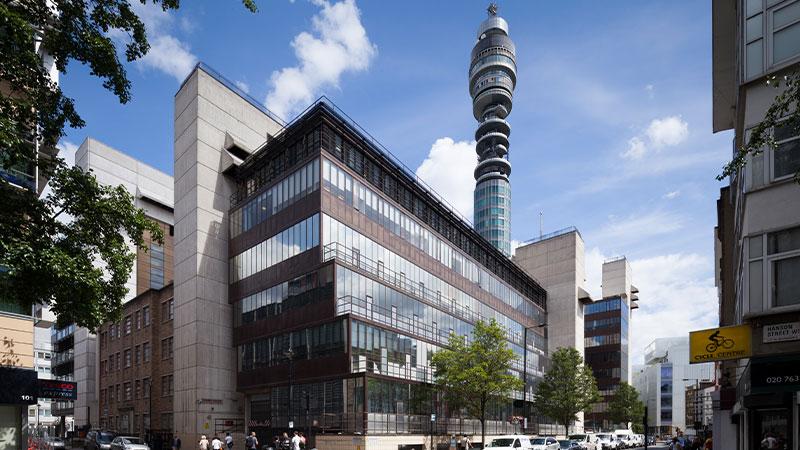
Thanks to the funding, seven existing AHUs on the University’s Cavendish Campus will be updated by replacing the central fan system with high-efficiency electronically commutated (EC) fans. The grant builds on the University's ongoing collaboration with the council and its previous £14,000 grant to fund the University’s recent Cavendish Living Lab project The Green Pathway: Community Food, Wellbeing and Leadership for a Sustainable Future.
This upgrade aims to improve energy efficiency, lower noise levels and enhance system controllability. It is part of a broader commitment to decarbonising the University’s campuses and represents an opportunity to reduce emissions, improve reliability and lower operational costs, with significant cost savings.
Fitting the new EC fans will not only reduce carbon emissions and energy use, but will also deliver a wide range of co-benefits, such as air quality improvement. The new fans will allow more effective ventilation and filtration, which will lead to the removal of airborne pollutants and will support healthier indoor environments.
The project supports the goals of WCC’s Local Area Energy Plan, which helps local authorities across the UK identify the most effective route to net zero carbon emissions in their communities.
About the grant, Alex Downes, Green Funding Manager at WCC, said: "Westminster City Council is pleased to support the University of Westminster to upgrade its ventilation systems through this grant, helping to reduce energy use and carbon emissions while improving air quality. This grant furthers our partnership working with the University to deliver practical sustainability improvements across Westminster."
Jules Attanayake, Development Manager at the University, added: “We were delighted to receive this funding, building on our previous award from Westminster Climate Fund’s Greener Living category, for £14,000 towards community food gardens. Westminster City Council is a much-valued partner, and we look forward to building on our partnership with the Council in the years ahead.”
According to the Whatuni Student Choice Awards 2026, Westminster is ranked as one of the top 25 universities in the UK for its commitment to the United Nations Sustainable Development Goals (SDGs) and is committed to integrating all 17 SDGs into its teaching, research and operations. Through cultivating a built environment which prioritises sustainable development in campus enhancement, design and operation, the University is directly contributing to SDGs 11: Sustainable Cities and Communities and 13: Climate Action. Since 2019, the University of Westminster has used the SDGs holistically to frame strategic decisions to help students and colleagues fulfil their potential and contribute to a more sustainable, equitable and healthier society.
To find out how to support the University’s sustainability projects, email the Development Team.
Learn more about sustainable development at the University of Westminster.
Related articles


